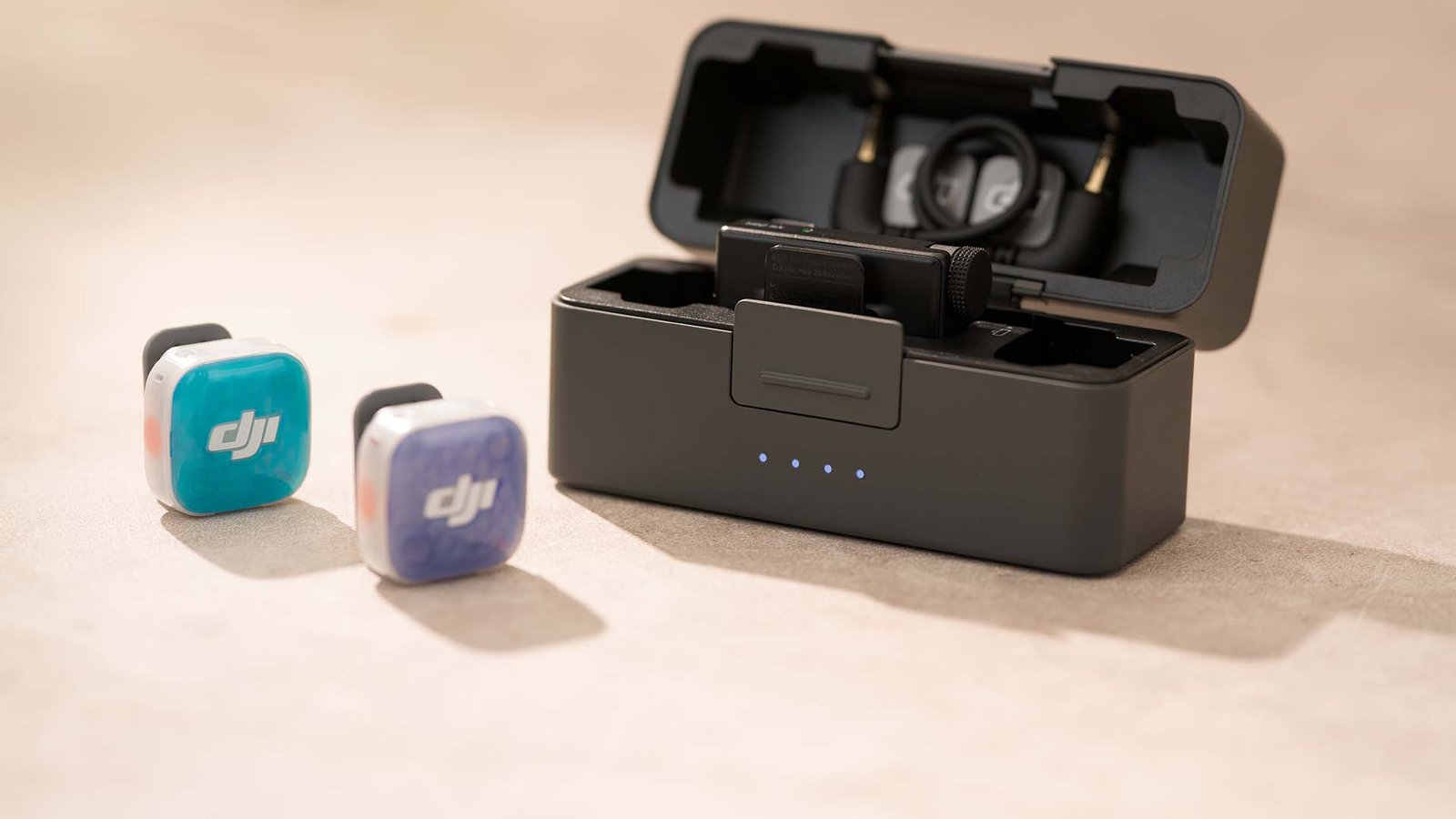


The DJI Mic Mini 2S is now available in Australia, and it’s set to be the go-to wireless audio setup for creators, packing a mighty punch. Although it doesn’t have a display, the Mic Mini 2S is a solid rival to the Mic 3, also made by DJI.
The Mic Mini is equipped with 24-bit/32-bit float internal recording (28 hours of audio in default 24-bit mode) and two levels of AI noise cancelling. It is aimed at content creators, vloggers, streamers and mobile filmmakers; the Mic Mini 2S is designed to make capturing high-quality audio easier, even in unpredictable recording environments. The new microphone builds on the recently released Mic Mini 2 by adding 32-bit float internal recording, giving creators greater flexibility during editing while reducing the risk of audio distortion.
With support for up to four transmitters connected to a single receiver, the Mic Mini 2S also targets creators producing podcasts, interviews, and panel discussions without needing to switch to a larger or more expensive audio system.
DJI Mic Mini 2S
The DJI Mic Mini 2S introduces several significant upgrades over its predecessor, led by the addition of 32-bit float internal recording and approximately 14.5GB of onboard storage in each transmitter, allowing creators to capture up to 28 hours of audio without relying solely on a wireless connection. The system supports up to four transmitters paired with a single receiver, making it suitable for podcasts, interviews and other multi-person productions. Audio quality is further enhanced with two levels of AI-powered noise cancellation, automatic clipping control, loudness balancing and three selectable voice presets—Regular, Bright and Rich—to suit different recording styles.
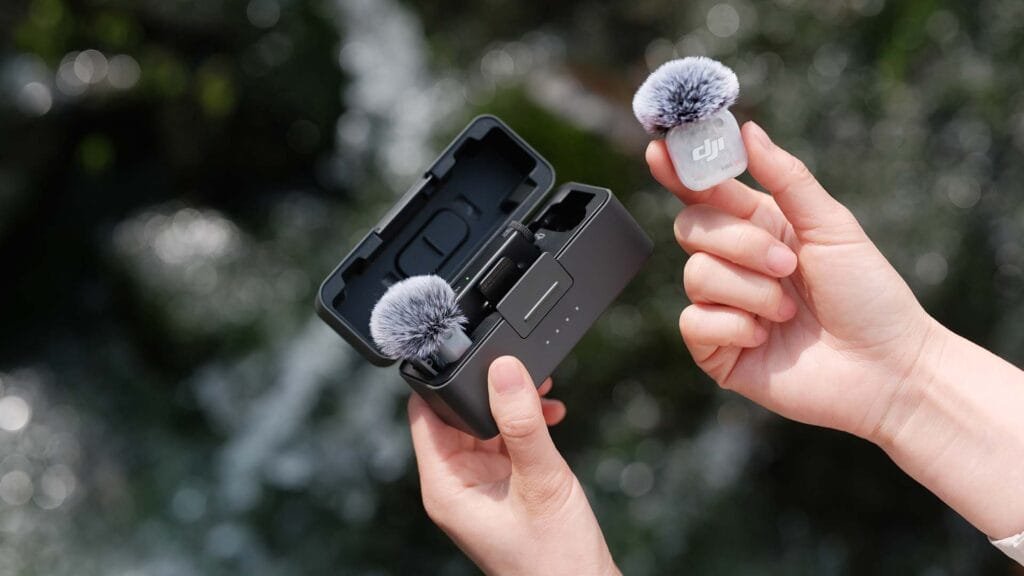
The compact transmitter weighs approximately 12 grams and can be attached using either a traditional clip or a magnetic mount. It also remains compatible with previous DJI Mic Mini and DJI Mic transmitters, while native OsmoAudio Direct Connection enables direct 48kHz 24-bit wireless audio recording on supported DJI Osmo cameras without the need for a separate receiver.
The Hardware
The headline feature is the addition of 32-bit float internal recording, giving creators a significant safety net when recording unpredictable audio. Unlike traditional recording formats that can easily clip when sound levels suddenly spike, 32-bit float preserves a much wider dynamic range, making it easier to recover both quiet and loud sounds during post-production.
Each transmitter includes approximately 14.5GB of onboard storage, enough for up to 28 hours of recording in the default 24-bit mode. This allows creators to continue recording even if a wireless signal is interrupted or forgotten, providing an additional layer of protection during important shoots.
DJI has also upgraded the microphone’s audio processing with two levels of AI-powered noise cancelling. The Basic mode is designed for indoor environments by reducing sounds such as air conditioning, fans and room echo, while the Strong mode targets more aggressive outdoor background noise to help isolate speech.
Additional audio processing features include automatic clipping protection that reduces sudden volume spikes, loudness balancing to maintain more consistent output levels, and three selectable voice profiles. Users can choose between Regular for natural sound, Bright for increased vocal clarity or Rich for a warmer presentation.
The system also expands beyond single-person recording. One receiver can pair with up to four transmitters simultaneously, making the Mic Mini 2S suitable for podcasts, interviews, discussion panels and other multi-person productions. Existing DJI users can also mix compatible transmitters from previous Mic Mini and DJI Mic products, allowing creators to expand existing equipment without replacing their entire setup.
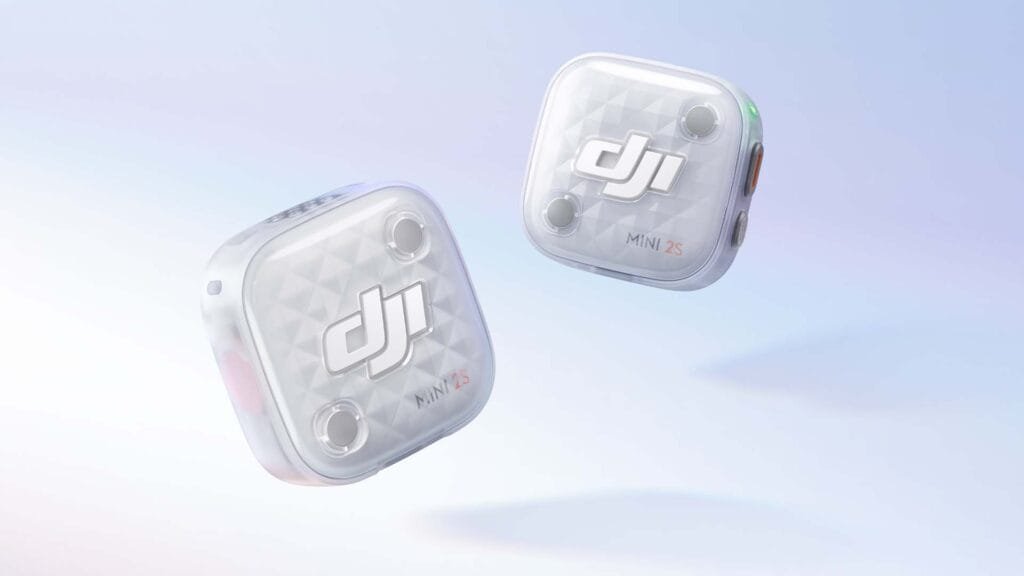
Physically, the transmitter remains exceptionally compact at around 12 grams and supports both traditional clip mounting and magnetic attachment. DJI has also continued its customisation options, offering colourful magnetic front covers, including a premium Time Series collection designed in collaboration with illustrator Victo Ngai.
For creators already invested in DJI’s camera ecosystem, the Mic Mini 2S can connect directly to supported Osmo cameras without requiring a receiver. Compatible devices include the Osmo Pocket 4P, Osmo Pocket 4, Osmo 360, Osmo Nano and Osmo Action 6, allowing 48kHz 24-bit audio to be transmitted directly through DJI’s OsmoAudio Direct Connection technology for a simplified, cable-free workflow.
Pricing and Availability
The DJI Mic Mini 2S is available now through DJI and authorised Australian retailers.

Australian pricing includes:
- DJI Mic Mini 2S (2 Transmitters + 1 Receiver + Charging Case) – AU$279
- DJI Mic Mini 2S (1 Transmitter + 1 Receiver) – AU$149
- DJI Mic Mini 2S (1 Transmitter + 1 Mobile Receiver + Charging Case) – AU$149
- DJI Mic Mini 2S Transmitter – AU$99
- DJI Mic Mini 2S Charging Case – AU$79
- DJI Mic Mini 2S Multi-Colour Magnetic Front Cover Set – AU$35
- DJI Mic Mini 2S Time Series Magnetic Front Cover Set – AU$69
Conclusion
The addition of internal recording brings one of the most requested professional features to DJI’s smallest wireless microphone, while AI-assisted audio processing and four-transmitter support make the Mic Mini 2S a more capable option for creators producing everything from solo vlogs to multi-person productions. For those already using DJI cameras, its seamless integration with the Osmo ecosystem also helps streamline mobile content creation without adding extra complexity.
A video review is underway, so keep an eye out on Image Matrix Tech.