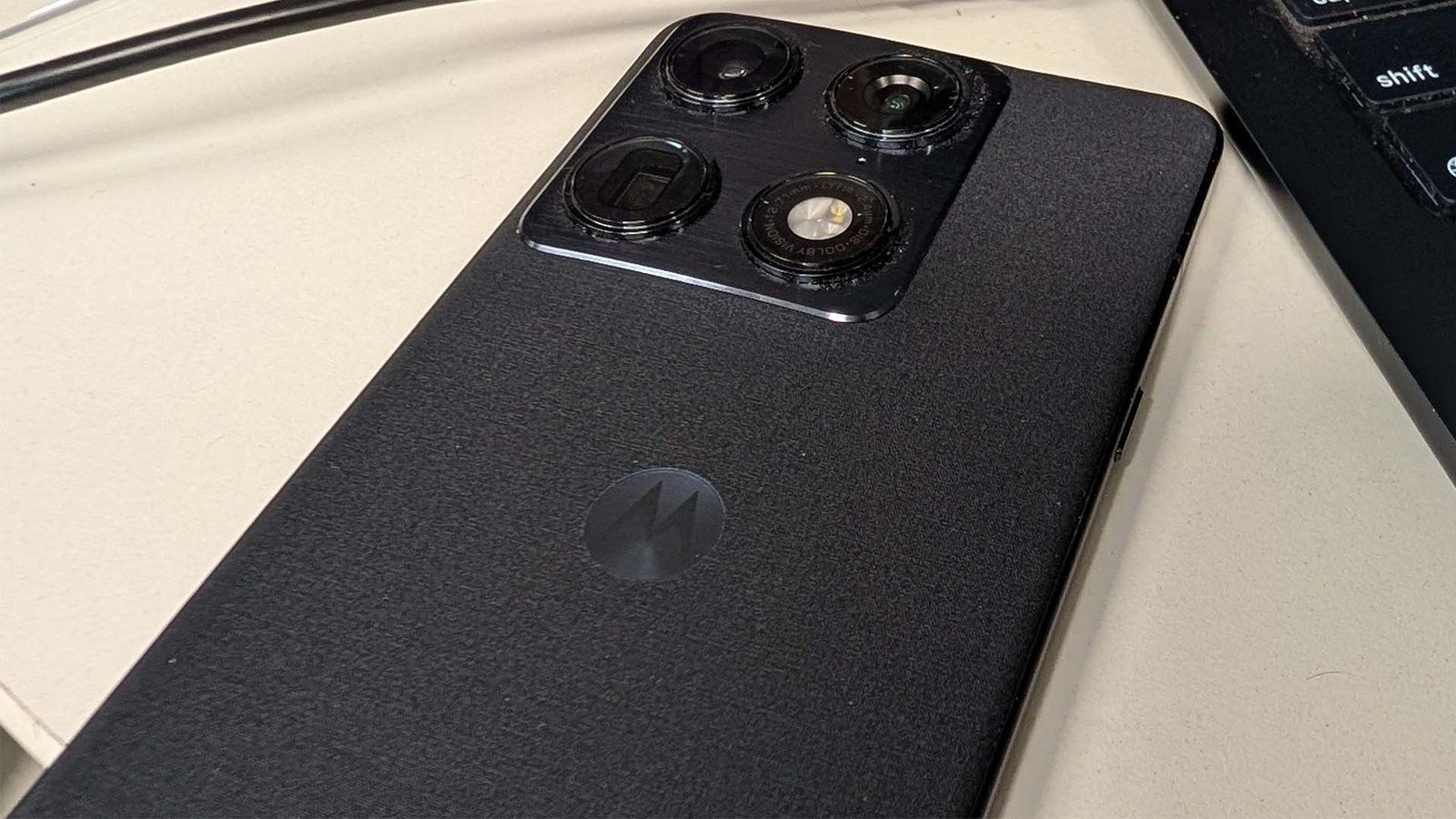

As soon as the Motorola Signature was announced, I felt a level of interest in it I haven’t felt in a while. Not because of the phone itself, but because Motorola seem to be making a concerted effort to return to premium design. With the signature, they have aimed to deliver a phone that stands out in both looks and performance, without that AU$2,000+ price tag.
FIRST IMPRESSIONS
As I already said, the Motorola Signature makes a very deliberate first impression: Motorola clearly wants this to be part of the premium device conversation, not just participate in it from the sidelines. It’s super slim, elegant, stylish, and trying to break away from the predictable “glass slab” formula that dominates the phone space in general.
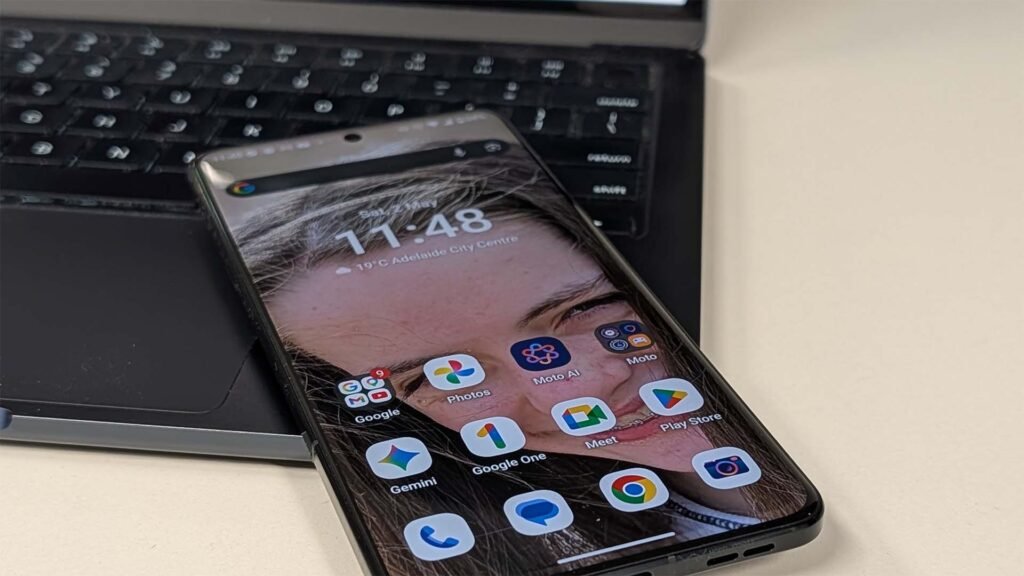
Straight out of the box, the Signature feels like a device that’s been designed to stand out. The Pantone colour finishes — our review unit is the Carbon colour — give it personality, and the thin profile immediately makes it feel more refined than a lot of its bulkier rivals. There’s also a sense that Motorola is pitching something more than just hardware here, with “white glove” services and ecosystem tie-ins hinting at a broader experience play.
HARDWARE AND DESIGN
Motorola has gone all-in on design this time around. The Signature is just under 7mm thick, built with an aircraft-grade aluminium frame and a textured rear finish that leans more toward luxury materials than typical smartphone glass; my thoughts are that this doesn’t just look good, it feels great in the hand – unfortunately, you’ll probably cover that feeling with the provided hard case.
Something I typically do when I’m reviewing something new, particularly with a design element that’s different to the norm, or unusual in some way, is to hand the device to a few people and ask what their immediate impressions are. With the Motorola Signature, the themes were common in hearing “Slim”, “Stylish” and “Lightweight” from the overwhelming majority of people who saw the phone.
Up front, the 6.8-inch AMOLED display is — as the primary interactive element with the phone — one of the hardware elements that stands out for me as a user. It offers a 165Hz refresh rate and a sharp 1.5K resolution, delivering a screen that’s not just smooth but genuinely vibrant, with great colour depth and easy to read in outdoor conditions.
Under the hood, you’re looking at a Snapdragon 8 Gen 5 chipset paired with up to 16GB of RAM and as much as 1TB of storage. It’s proper flagship territory, even if it’s not quite chasing the absolute bleeding edge of performance benchmarks.
THE CAMERAS
The camera system is one of the more technically interesting parts of the Signature. Motorola has gone with a triple 50MP setup, anchored by a primary Sony LYTIA 828 sensor (1/1.28-inch, f/1.6) with optical image stabilisation and omnidirectional autofocus, designed to handle the bulk of shooting with improved light capture and detail. Supporting that is a 50MP ultra-wide lens (12mm, f/2.0, 122° field of view) that also doubles as a macro shooter thanks to autofocus, giving it more versatility than a typical secondary lens.
The third lens is a 50MP periscope telephoto using Sony’s LYTIA 600 sensor (f/2.4, ~71mm equivalent), offering 3x optical zoom and pushing out to an AI-assisted 100x “Super Zoom” for longer-range shots. Across the system, Motorola is clearly leaning on a combination of high-resolution sensors and its AI processing pipeline to manage HDR, detail enhancement, and scene optimisation.
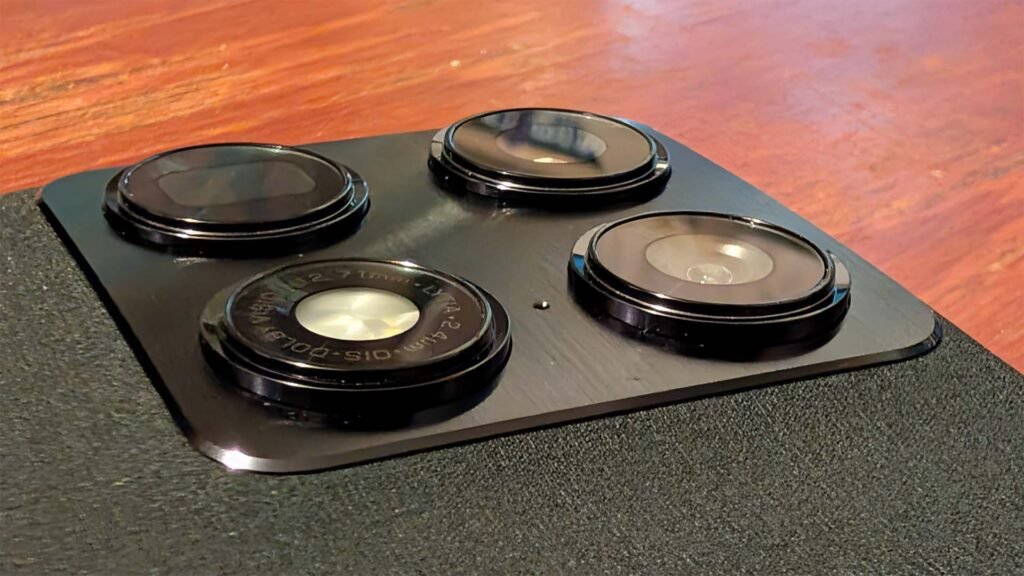
On the video side, the Signature is fully loaded. The main sensor supports 8K recording at 30fps with Dolby Vision, while 4K capture is available across multiple lenses at up to 60fps, alongside a suite of supporting features like adaptive stabilisation, autofocus tracking, horizon lock, and audio zoom to help keep footage usable in real-world conditions. There’s also high-frame-rate support for slow motion — up to 4K at 120fps and Full HD at 240fps — rounding out a camera system that, at least on paper, ticks just about every flagship box.
THE RESULTS
As a broad statement, the results from the camera on the Motorola Signature were really solid and reliable. Delving deeper, though, there are good and less promising factors to discuss, but nothing that I would consider a deal breaker.
As a point-and-shoot camera, you’ll be able to capture some excellent photos. Framing is simple, the screen gives a clear representation of the picture you’ll capture, and the shutter is instantaneous, so you capture exactly what you expect to when you push the button.
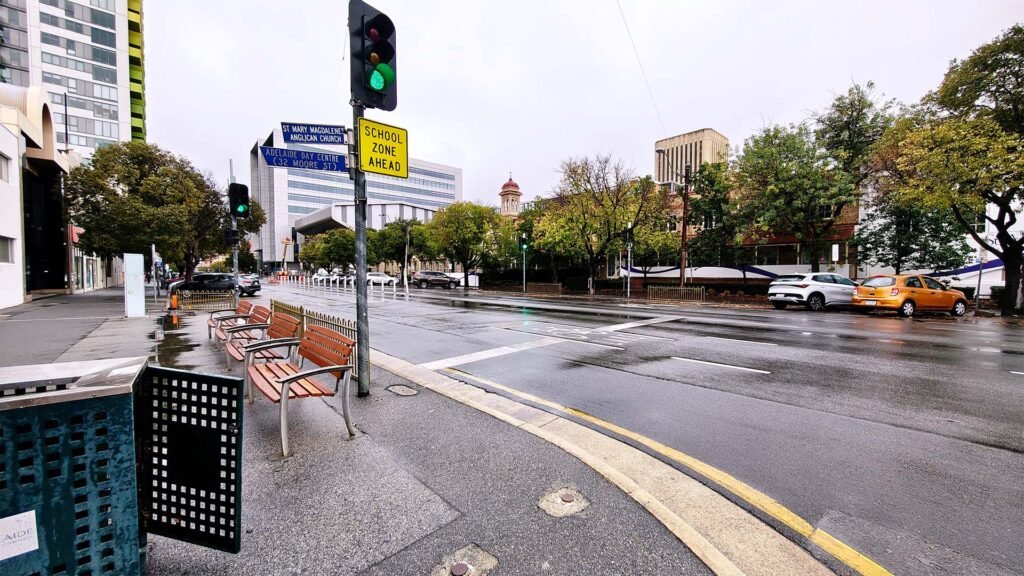



The main problems I’ve experienced during testing for this review are the autofocus not being 100% reliable in low-light conditions and the colour saturation being a little overdone — it’s worth noting the images really “pop”, but the colour isn’t quite true to life — at times, with overly bright colours appearing in the final image.

BATTERY LIFE AND CHARGING
Battery life looks strong on paper, too, with a 5,200mAh cell and fast-charging options including 90W wired and 50W wireless. Looking strong and delivering strong results often aren’t the same thing. The Signature delivered quite well straight out of the box, with two days of power consistently available to me without feeling a desperate need to charge the phone. That was, however, until one of my critical applications — giving me emergency services alerts — wasn’t delivering notifications in a timely manner.
A little more investigation showed that there was some pretty aggressive battery management going on with apps if you don’t add exceptions in. Once I systematically added these to my apps, I needed to deliver notifications as soon as they were available; the two days dropped to one solid day of battery life, even on a heavy day of use.
Charging was reliably quick, and of course, 90W wired is definitely the way to go if you’ve got a charger capable of delivering that with you. I have a number of wireless chargers, and they did the job, but for a quick charge, it’s wired all the way.
SOFTWARE
The Signature ships with Android 16, and this is one area where Motorola is trying to close the gap with Samsung and Google. The big headline here is long-term support — up to seven years of OS and security updates — which is a serious shift for the brand.

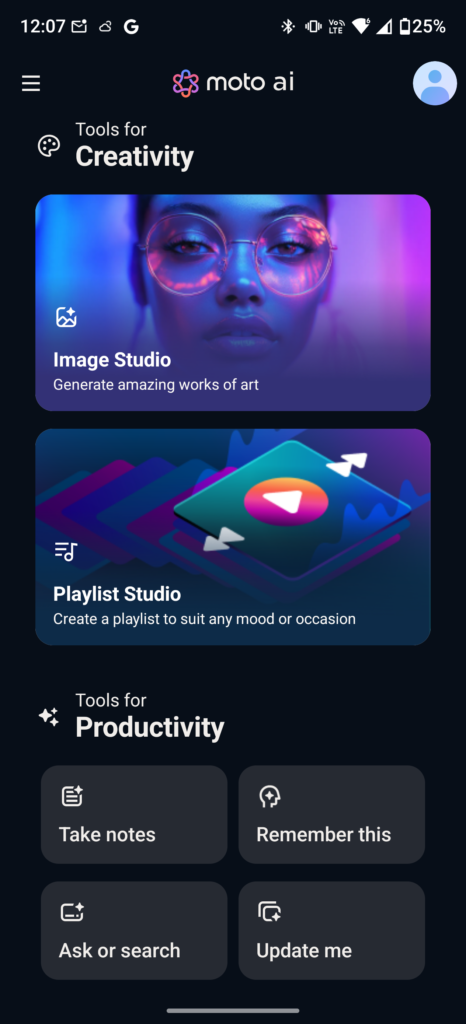

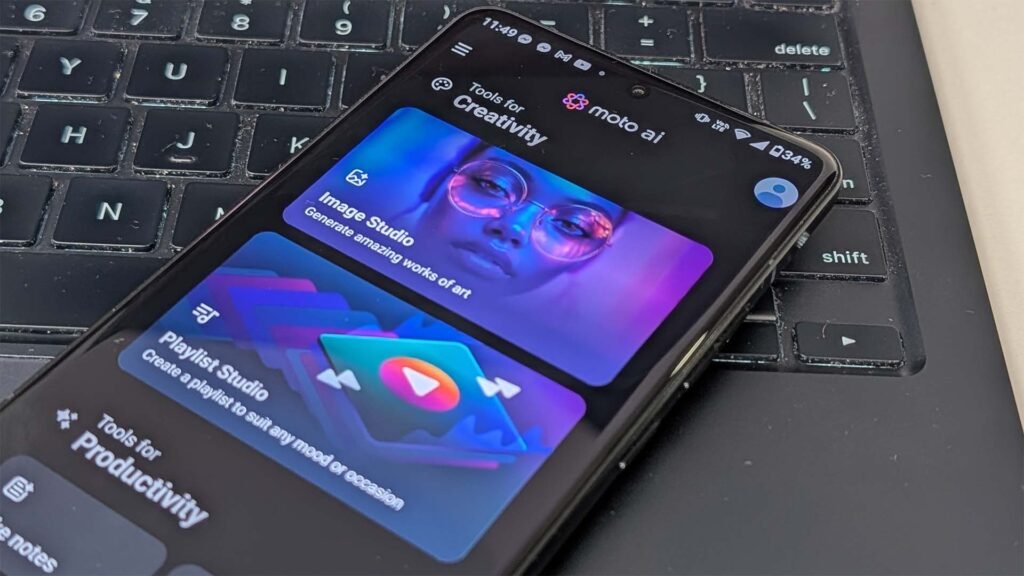
Motorola’s software approach still leans to a relatively clean Android version compared to some competitors. Still, there are signs of creeping bloat and pre-installed extras from a shopping and social media perspective that don’t always add value. It’s a bit of a balancing act: you get useful Moto features and AI enhancements, but not everything feels fully polished yet.
OTHER FEATURES
This is one of the areas where Motorola is trying to differentiate. Beyond the expected flagship checklist — Wi-Fi 7, Dolby Vision, Dolby Atmos, and high-end connectivity — the Signature leans into a more “premium lifestyle” positioning.
There’s a strong focus on AI-driven photography — following in the footsteps of other big players — and video, including 4K and even 8K recording support, along with image processing tuned for social and content creation; one of the drivers for the earlier-mentioned oversaturation of colours.
Then there’s the more unusual angle: Motorola’s “Signature” ecosystem approach. The inclusion of concierge-style services and exclusive experiences feels like an attempt to create something closer to a luxury tech brand rather than just another Android phone. Whether that resonates with buyers is going to be a big question.
THE USER EXPERIENCE
In day-to-day use, the Signature delivers where it counts. Performance is fast and responsive, with smooth multitasking and a UI that keeps up without stutter. The high-refresh-rate display makes everything feel fluid, from scrolling to reading websites or emails to gaming.
The camera system is another highlight, particularly in good lighting, where detail and colour reproduction stand out. Portrait performance is strong, and the versatility of the triple-lens setup gives you flexibility without overcomplicating things.
Battery life is solid enough to get through a full day, even with heavier use, and fast charging helps take the stress out of topping up.
That said, it’s not perfect. Some aspects — like the software polish and certain premium features — can feel a little unfinished, and the lightweight design may come across as less substantial than some users expect at this price point.
PRICE AND AVAILABILITY
While I have a couple of minor issues with it, the Motorola Signature sits firmly in the premium tier. You can pick one up now, and it will set you back AU$1,399.00 through a variety of retailers, including JB Hi-Fi, The Good Guys and Harvey Norman.
CONCLUSION
It’s not a direct competitor to devices like the Galaxy S25 Ultra, Pixel 10 Pro XL, and iPhone 17 Pro, but when it costs multiple hundreds of dollars less with minimal sacrifice for the average user, their first real attempt at a premium phone in a number of years has landed Motorola well in the discussion.