When I first tried Apple Vision Pro almost two years ago I was blown away. Apple’s mixed reality headset wasn’t just a VR experience, it was AR and spatial computing in one sophisticated package. Although Virtual Reality isn’ t the main function of Vision Pro, it’s still an important immersive element.
So when reports emerged from the United States that Apple is all but giving up on Vision Pro, VR took another hit. Virtual Reality needed Apple’s headset to be a raging success to push VR into the mainstream. Yes, VR has loyal fan base but it’s far from mainstream. Last week I just spent around 60 hours flying to Europe and back and I didn’t see one person wearing an Apple Vision Pro either on planes or in airports. Given the amount of people I saw there had to be at least one? In fact I didn’t see any type of VR/AR headset. Apple doesn’t release sale numbers but industry experts estimate somewhere between 600,000 and one-million units sold.
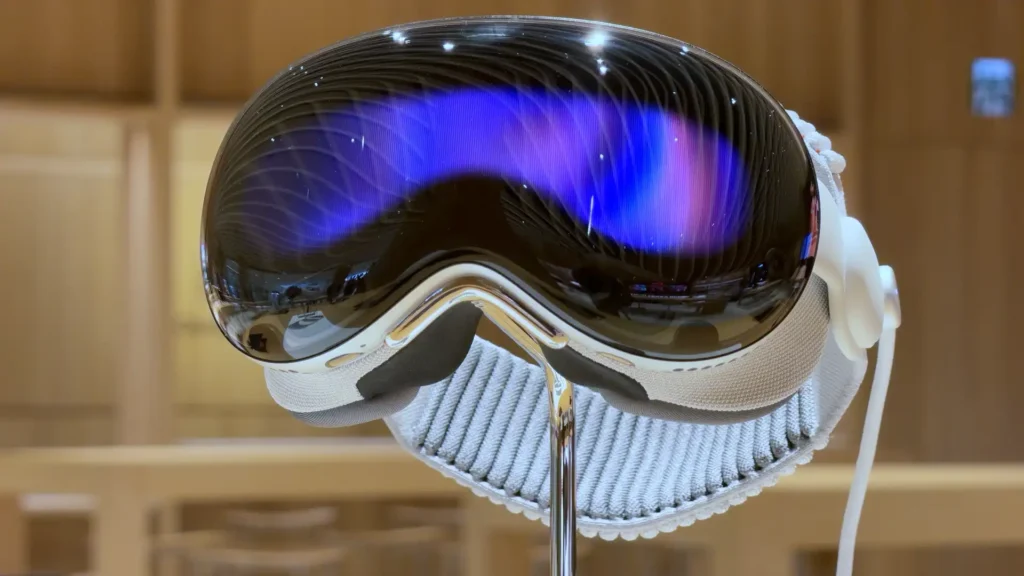
The number one reason is cost. Apple Vision Pro starts at A$5,999. I can buy Meta Quest 3, for less than a thousand dollars Australian. It’s pretty good. Good enough for VR and AR games and activities. Vision Pro is superior but at $6K it’s out of reach of most people. Even at half the price for a rumoured cheaper version, it’s still expensive.
It’s a real shame because Vision Pro is an amazing device. From the display quality to the fluid nature of its gesture control, Vision Pro is outstanding tech. But not all great technology is successful. It needs to be accessible and unfortunately it’s too costly. I thought seriously about buying one but in the end I couldn’t justify the price.
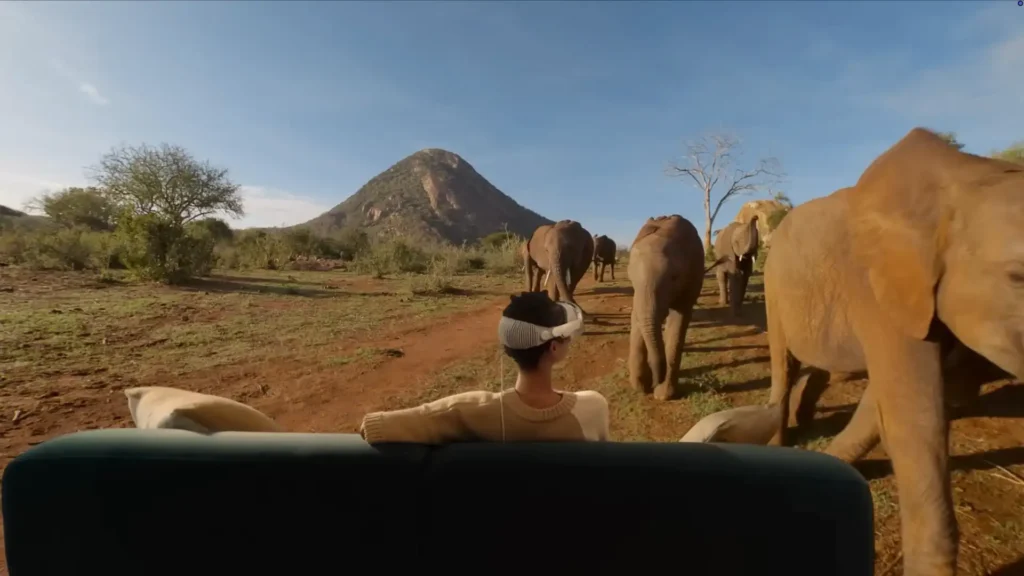
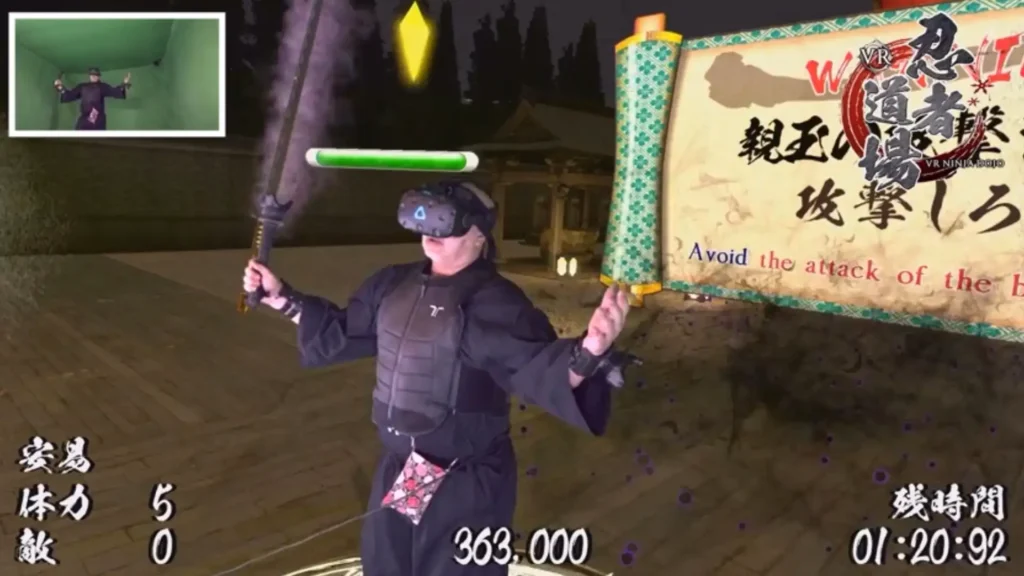
Also to get best out of Vision Pro, I would have to wear it longer to take advantage of its spatial computing technologies. After a couple hours it becomes tiring. I also feel a slight amount of nausea for a short period after use. Oddly I don’t feel any ill effects if VR involves high energy gaming when standing up. The example I show on Sky News Australia is a Ninja Game in Japan. It worked for me because it was a fully realised physical experience, using all of my senses. Vision Pro has better latency performance and programming to aid with travel but there is always going a section of the population that can’t use it.
When I first tried Apple Vision Pro almost two years ago, I was blown away. Apple’s mixed reality headset wasn’t just a VR experience; it was AR and spatial computing in one sophisticated package. Although virtual reality isn’t the main function of Vision Pro, it’s still an important immersive element.
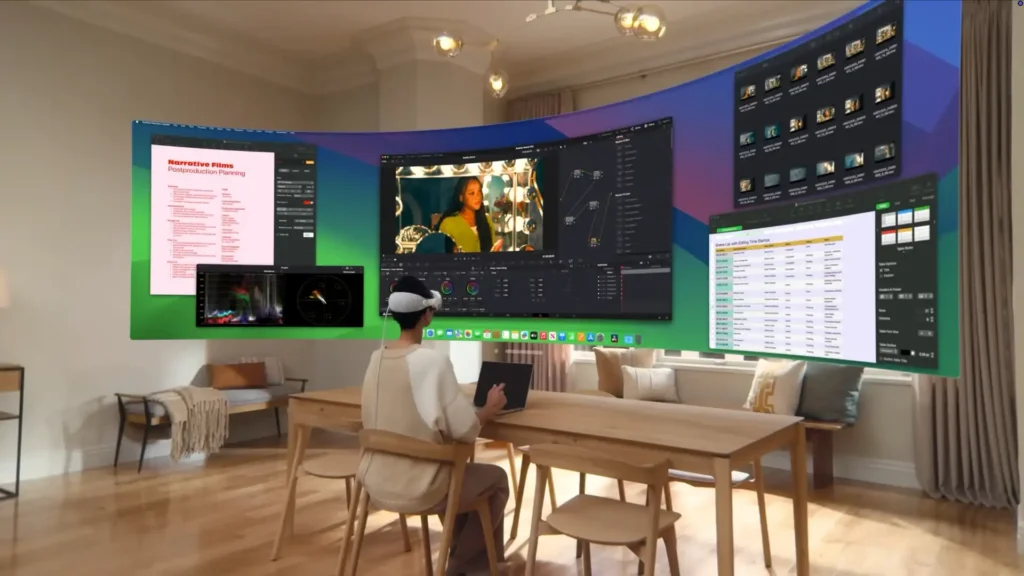
So when reports emerged from the United States that Apple is all but giving up on Vision Pro, VR took another hit. Virtual Reality needed Apple’s headset to be a raging success to push VR into the mainstream. Yes, VR has a loyal fan base, but it’s far from mainstream. Last week, I just spent around 60 hours flying to Europe and back, and I didn’t see one person wearing an Apple Vision Pro either on planes or in airports. Given the amount of people I saw there, there had to be at least one? In fact, I didn’t see any type of VR/AR headset. Apple doesn’t release sale numbers, but industry experts estimate somewhere between 600,000 and one million units sold.
The number one reason is cost. Apple Vision Pro starts at A$5,999. I can buy Meta Quest 3 for less than a thousand dollars Australian. It’s pretty good. Good enough for VR and AR games and activities. Vision Pro is superior, but at $6K, it’s out of reach of most people. Even at half the price for a rumoured cheaper version, it’s still expensive.
It’s a real shame because Vision Pro is an amazing device. From the display quality to the fluid nature of its gesture control, Vision Pro is outstanding tech. But not all great technology is successful. It needs to be accessible, and unfortunately, it’s too costly. I thought seriously about buying one, but in the end, I couldn’t justify the price.
Also, to get the best out of Vision Pro, I would have to wear it longer to take advantage of its spatial computing technologies. After a couple of hours, it becomes tiring. I also feel a slight amount of nausea for a short period after use. Oddly, I don’t feel any ill effects if VR involves high-energy gaming when standing up. The example I show on Sky News Australia is a Ninja Game in Japan. It worked for me because it was a fully realised physical experience, using all of my senses. Vision Pro has better latency performance and programming to aid with travel, but there is always going to be a section of the population that can’t use it.
The MacRumors report also suggested that Apple has redeployed engineers to work on other projects, which may include Apple smart glasses. Meta has found huge success by pivoting to smart glasses, which have limited functionality but excellent real-world application. My wife loves her Meta AI glasses as they serve a purpose while looking good.
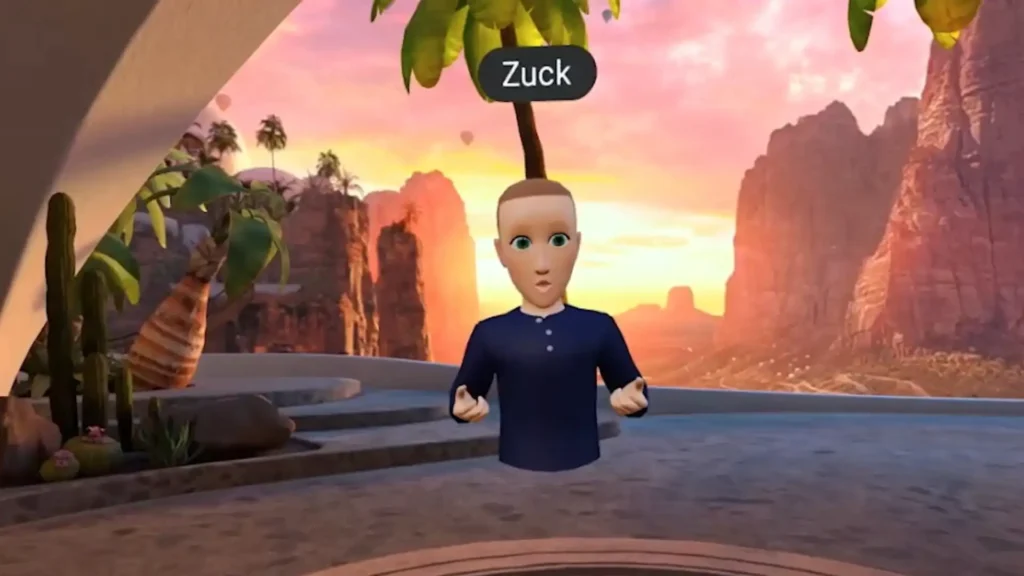
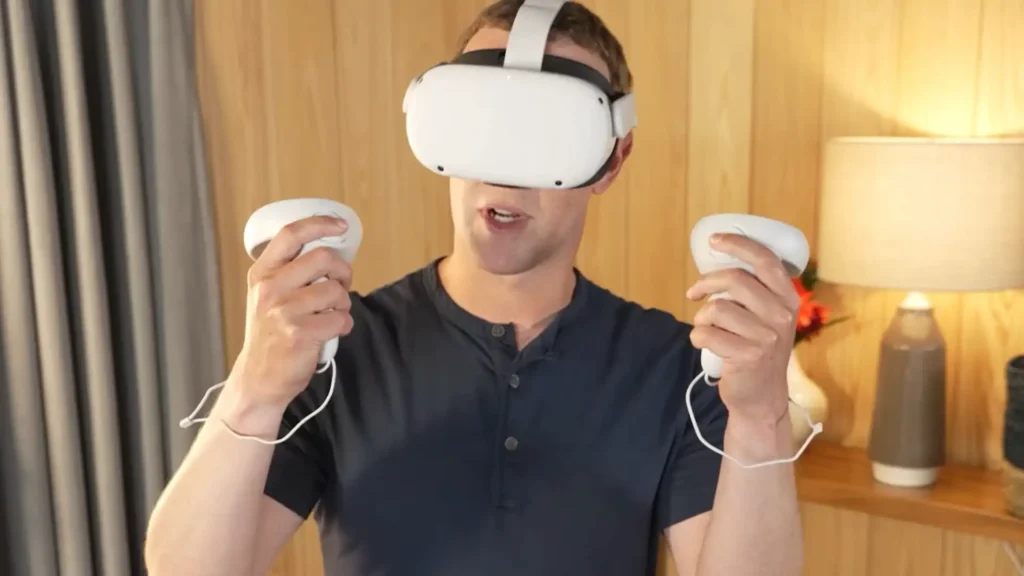
No one has pumped more money into VR than Mark Zuckerberg. Around 100 billion dollars went into the Metaverse and VR technology. The company is pulling back on that investment so it can focus on AI. AI will serve all products moving forward, so it makes sense.
I truly hope Apple continues to develop Apple Vision Pro, even if at a lower level. It is amazing technology that is, for now, ideal for business. Corporations can afford to buy the headsets and roll out important experiences for training and safety. AR/VR headsets need to get smaller, the size of glasses, before going mainstream. But that is a long way off.
No one has pumped more money into VR than Mark Zuckerberg. Around 100-billion dollars went into the Metaverse and VR technology. The company is reportedly pulling back on that investment so it can focus on AI. AI will serve all products moving forward so it makes sense. However, VR remains a significant part of the business for Meta.
I truly hope Apple continues to develop Apple Vision Pro, even if at a lower level. It is amazing technology that is for now, ideal for business. Corporation can afford to but the headsets and roll out important experiences for training and safety. AR/VR headsets need to get smaller, the size of glasses before going mainstream. But that is a long way off.