


Airline travellers are being warned – again – about using public charging stations for smartphones because they could be compromised. “Juice Jacking” is a tactic criminals use to steal data from phones plugged into USB ports while desperately charging at airport kiosks. If you have an older phone, this could be a serious issue, but modern devices are fortified against this type of intrusion.
Flying overseas for summer is stressful enough for Australians due to the great distances between airports, so to deal with Juice Jacking as well is something we can do without. Although a remote possibility, the FBI has been warning for several years about the risks of using public USB charging stations.
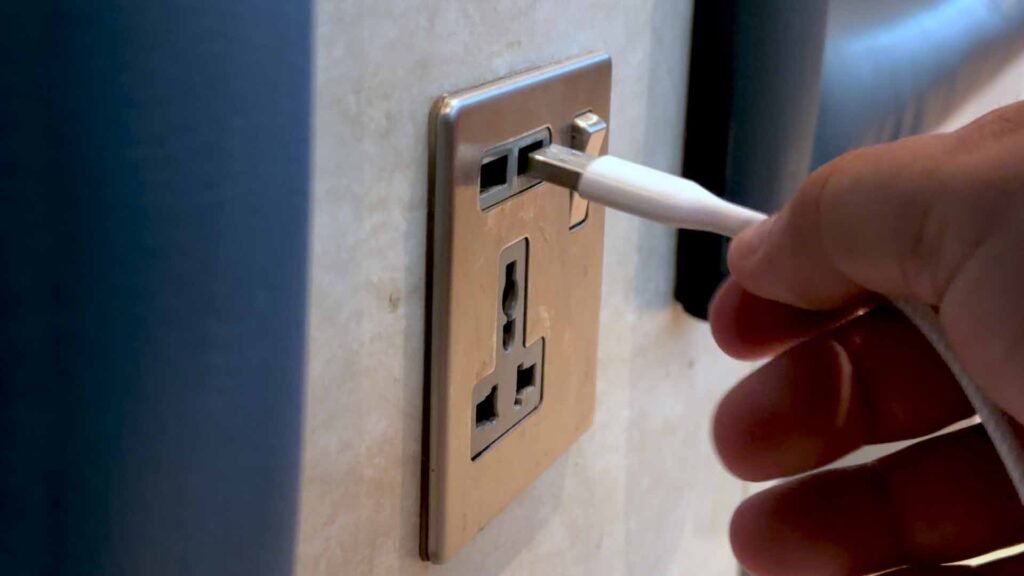
The idea is criminals hide devices that can access your data via the USB ports at public charging kiosks. Your photos, contacts, messages, and passwords can all be copied from your device. Malware can also be installed on your phone, including keyloggers or ransomware.
But the chances of your phone being accessed via USB are remote thanks to modern security systems on smartphones. To retrieve data, you must authorise access by pressing a button. But there are other options like power-only USB cables or “USB condom” or data-blocking dongles.
The best option is to use your phone charger in a standard electrical outlet – if you can find one at an airport.
IMPACT OF POWER BANK BAN
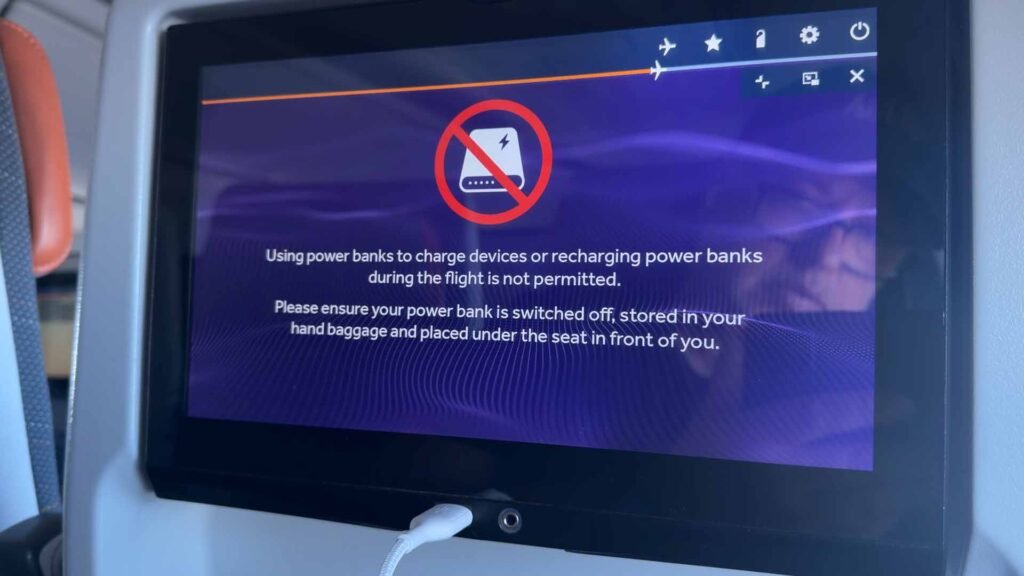
Most airlines have banned the use of power banks while in the air (although you can still carry them), and that has a flow-on effect. It means even wireless charges that double as stands, like the Belkin BoostCharge Pro, can’t be used on board.
So to charge on the plane, you have to rely on the airline installing USB ports or power sockets. My experience has been very mixed. Newer aircraft might have USB with high wattage power delivery, but older planes will have slower USB-C ports, if anything at all. So that leads to a panic recharge session in transit, and that can be stressful.
The good news is, there’s very little chance you’ll be a victim of Juice Jacking, even if you have to use a public USB-C station. So if you’re desperate for power, don’t feel guilty about plugging in. But it’s a good habit to avoid plugging into random USB ports.