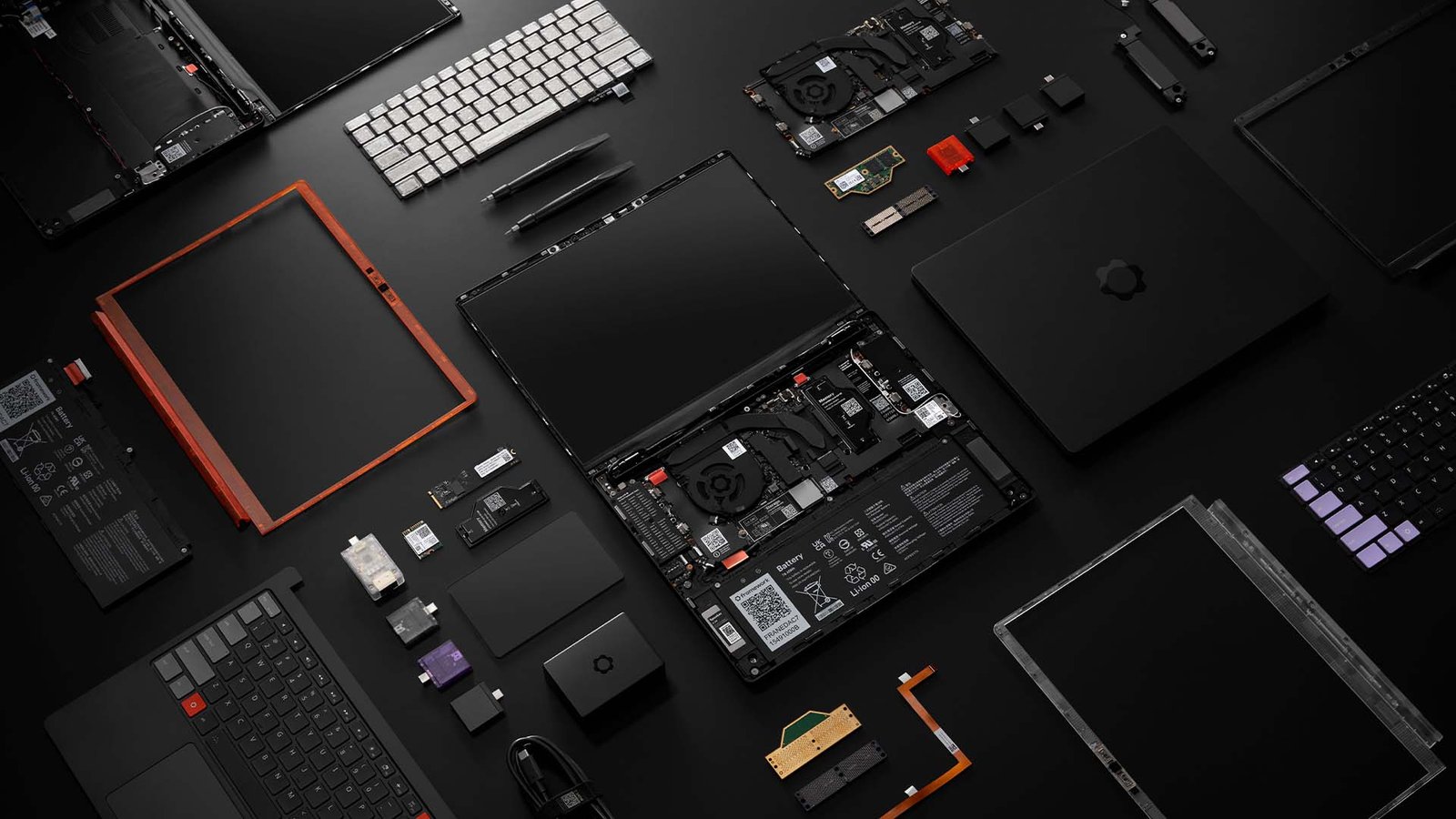

At its latest hardware event, Framework unveiled a significant refresh to its laptop lineup, led by the new Framework Laptop 13 Pro and iterative updates to the larger Framework Laptop 16. While the company’s usual messaging leans heavily on ideals like repairability and sustainability, the latest hardware suggests it’s now competing more directly on performance, battery life, and usability—areas where modular laptops have traditionally lagged.
FRAMEWORK LAPTOP 13 PRO: A SERIOUS STEP FORWARD
The headline device here is the Framework Laptop 13 Pro, a ground-up redesign that targets one of the biggest criticisms of earlier models: battery life.
Powered by Intel’s Core Ultra Series 3 processors and backed by a larger 74Wh battery, Framework claims over 20 hours of video playback in ideal conditions—putting it in the same conversation as premium Ultrabook’s and even Apple’s MacBook Pro range.
That’s paired with modern internals that actually matter to everyday users. There’s support for PCIe 5.0 storage, Wi-Fi 7, and faster LPDDR5X memory via the new LPCAMM2 format, which—crucially—remains upgradeable. That last point is still rare in 2026, where most thin-and-light laptops lock memory and storage down entirely.
The display has also been reworked, sticking with a productivity-friendly 3:2 aspect ratio but improving brightness, contrast, and adding variable refresh rate alongside optional touch input. It’s clearly aimed at developers, office users, and anyone who spends more time in documents and browsers than games.
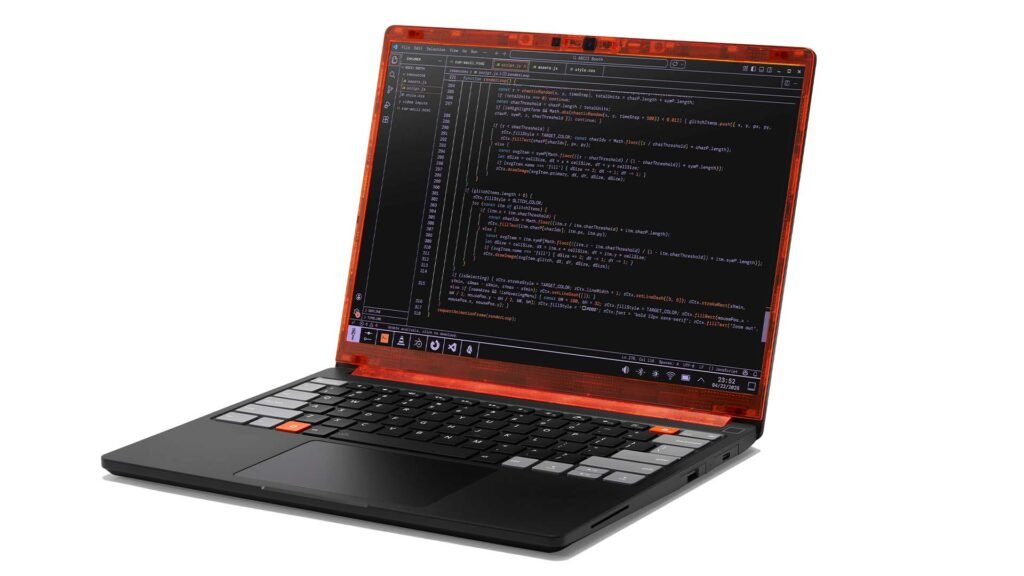
Despite all the upgrades, Framework hasn’t walked away from its core idea. The Laptop 13 Pro is still fully repairable and upgradeable, with backwards compatibility for key components. That means existing Framework owners can upgrade parts rather than replace the entire device—something almost unheard of in mainstream laptops.
LINUX IS NO LONGER AN AFTERTHOUGHT
One of the more interesting shifts with this release is Framework’s deeper commitment to Linux.
The Laptop 13 Pro is the company’s first Ubuntu Certified system, with official support for Ubuntu available out of the box. That means drivers, firmware updates, and core hardware features are validated to work without the usual tinkering.
For consumers, that matters more than it used to. As highlighted in a previous article by Djuro, discussing extending the life of ageing PCs and laptops, Linux is increasingly becoming a viable alternative to Windows for everyday computing—particularly when hardware is still capable but no longer officially supported.
Framework’s approach fits neatly into that idea. Instead of replacing your laptop every few years, you can upgrade components over time and, if needed, switch operating systems entirely. It’s a practical way to avoid sending otherwise functional hardware to landfill—something the broader industry still struggles with.
In other words, this isn’t just “Linux support” as a checkbox. It’s a combination of hardware design and software flexibility that actually makes the option realistic for more people.
FRAMEWORK LAPTOP 16: MODULAR BUT MATURING
The larger Framework Laptop 16 doesn’t get a full redesign, but it does receive meaningful refinements.
New one-piece keyboard and haptic touchpad modules aim to address usability complaints around the original modular input system, while additional CPU options—including a more affordable Ryzen 5 configuration—lower the barrier to entry.
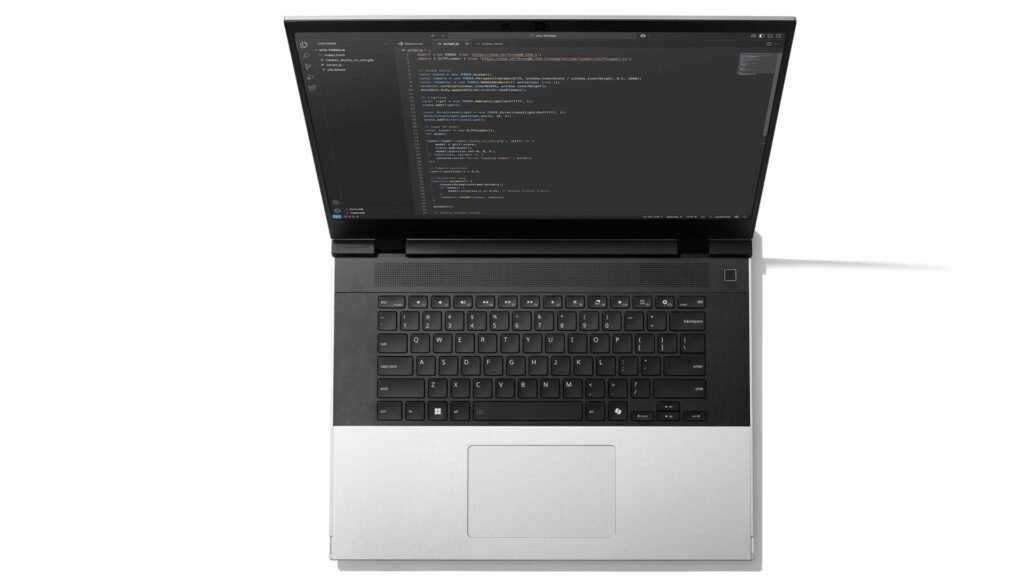
The more experimental side of the 16-inch model continues with the preview of an OCuLink-based expansion system, designed to connect high-bandwidth external hardware like GPUs with minimal performance loss. It’s niche, but it reinforces Framework’s positioning of the Laptop 16 as a portable workstation rather than a traditional notebook.
THE BIGGER PICTURE: LONGEVITY VS UPGRADE CYCLE
The real story here isn’t just faster processors or better battery life—it’s that Framework is starting to remove the usual trade-offs that came with buying a modular laptop. Historically, choosing repairability meant giving up performance, battery life, or polish. With the Laptop 13 Pro, that gap is narrowing.
That ties directly into a broader shift in consumer thinking. With rising device costs and increasing awareness around e-waste, there’s growing interest in hardware that lasts longer and adapts over time. Pair that with a more accessible Linux ecosystem, and you’ve got a genuine alternative to the traditional “replace every few years” model.
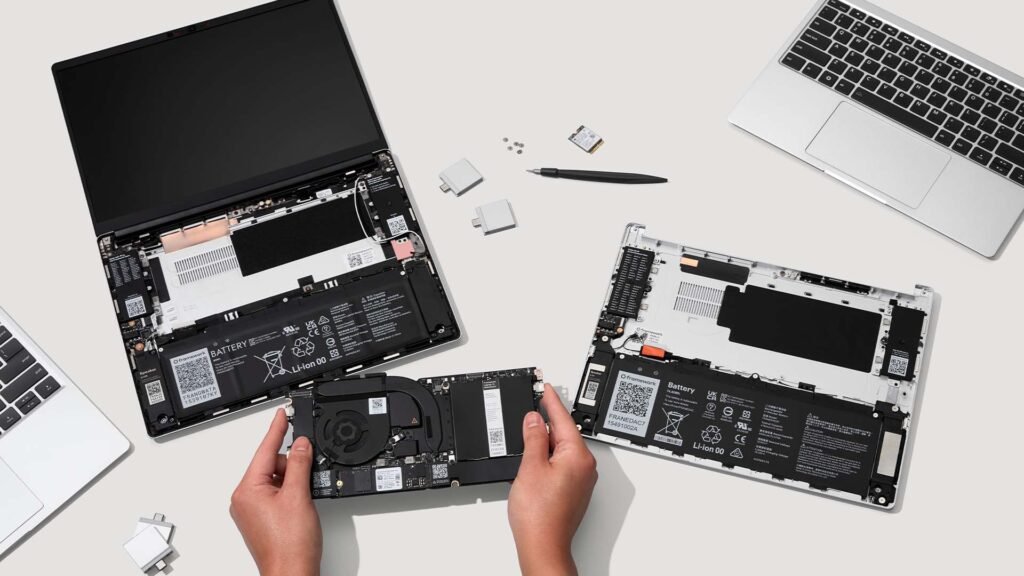
Framework isn’t alone in pushing sustainability messaging, but it’s one of the few companies backing it up with hardware that can realistically compete on specs and usability.
PRICE AND AVAILABILITY
The Framework Laptop 13 Pro starts at AU$1,979.00 for the DIY Edition and AU$2,479.00 for pre-built configurations, with shipping expected from June; although batches are now quoting August for next availability.
THE BOTTOM LINE
Framework’s latest laptops don’t just refine its modular philosophy—they make it easier to recommend.
The Laptop 13 Pro, in particular, looks like a device you could choose on performance and battery life alone, not just ideals. Add in proper Linux support and long-term upgradeability, and it starts to feel like a genuine alternative to the mainstream laptop market—not just a niche experiment.
And if the industry keeps moving toward locked-down hardware, that difference is only going to matter more.