
For 15 years, the Chromebook carved out a surprisingly successful niche by being affordable, simple, and unapologetically cloud-focused. It became the default laptop for schools, casual users, and anyone who didn’t need the complexity — or cost — of a traditional Windows machine or MacBook.
But as of May 2026, Google appears ready to evolve that formula entirely.
Enter the Googlebook: a premium, AI-first laptop platform designed to challenge Apple’s MacBook Air lineup and Microsoft’s growing wave of Copilot+ PCs by making artificial intelligence part of the operating system itself — not just another app or browser tab.
FROM CHROMEOS TO AN AI FIRST PLATFORM
The biggest shift isn’t the name. It’s the foundation underneath it.
Rather than abandoning ChromeOS outright, Googlebook appears to be merging the strengths of ChromeOS and Android into a new desktop-class platform built on Android 17. The result is something that feels less like a traditional Chromebook and more like Google’s genuine and long-awaited attempt to unify its entire computing ecosystem.
For years, Google’s platforms often felt loosely connected. Android phones, ChromeOS laptops, tablets, web apps, and Pixel-exclusive features all existed in the same orbit, but rarely felt truly seamless together. Googlebook looks designed to finally collapse those boundaries.
Android apps now run natively in a proper desktop environment with improved multitasking and window management, removing many of the compromises that came with browser-first workflows and emulation layers. Early previews also show a more conventional desktop experience than ChromeOS ever fully embraced, including desktop pinning, widget support, and richer file management workflows.
The integration with Android phones also goes significantly deeper than previous Chromebook experiences. Features like Quick Access reportedly allow users to search files directly from their phone within the laptop’s file explorer without needing to manually transfer anything. Google is also introducing “Cast my Apps,” enabling mobile applications to appear directly on the laptop as part of a unified workspace.
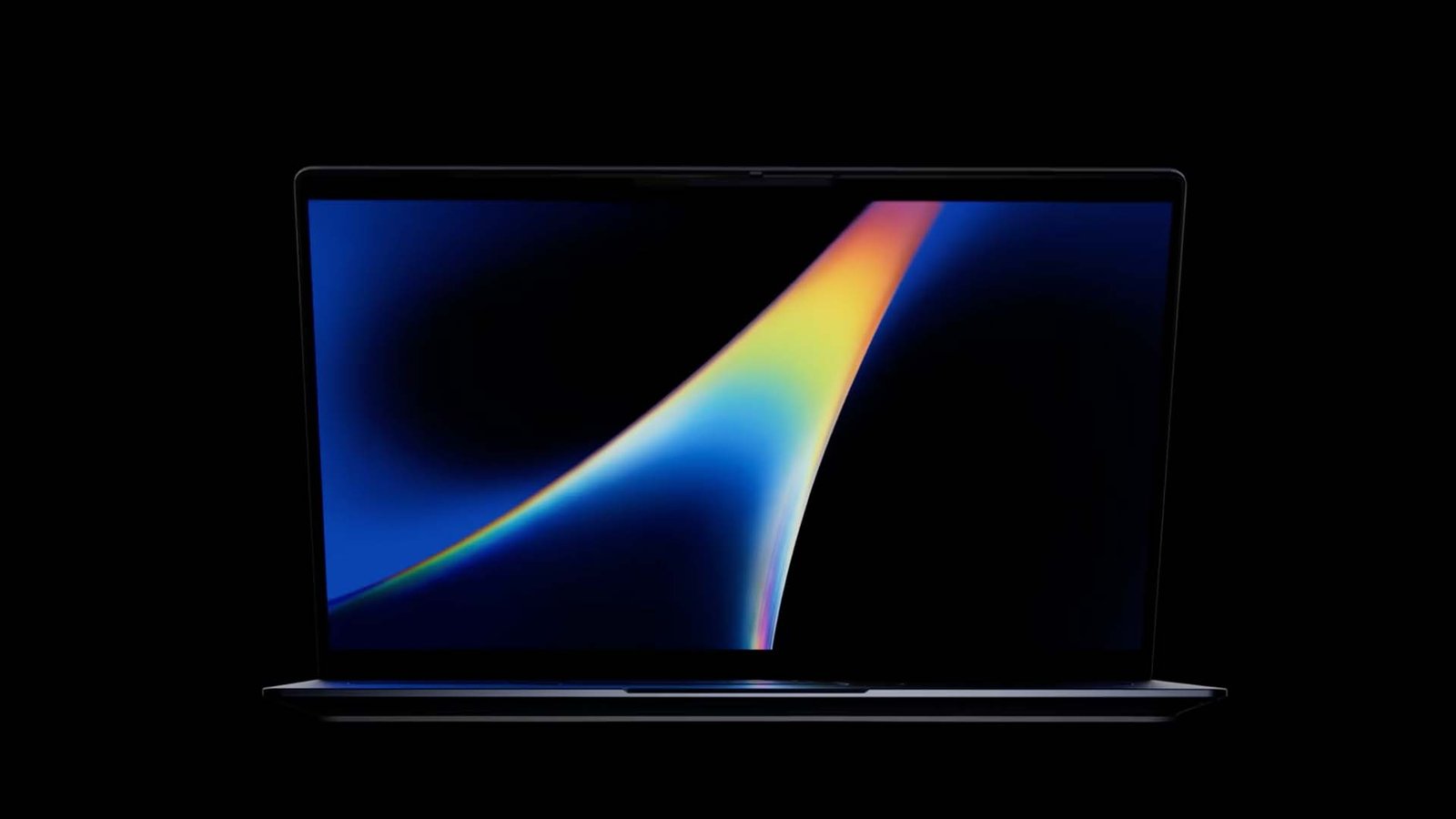
Even the hardware branding reflects the shift. Replacing the understated Chrome logo is a new “Glowbar” light strip on the lid — part status indicator, part visual statement that this is no longer “just a Chromebook.”
GEMINI BECOMES CORE TO THE OPERATING SYSTEM
Google isn’t positioning the Googlebook as simply another laptop running AI software. Internally, the company is describing it as an “Intelligence System,” with Gemini woven directly into the way the device functions.
That distinction matters.
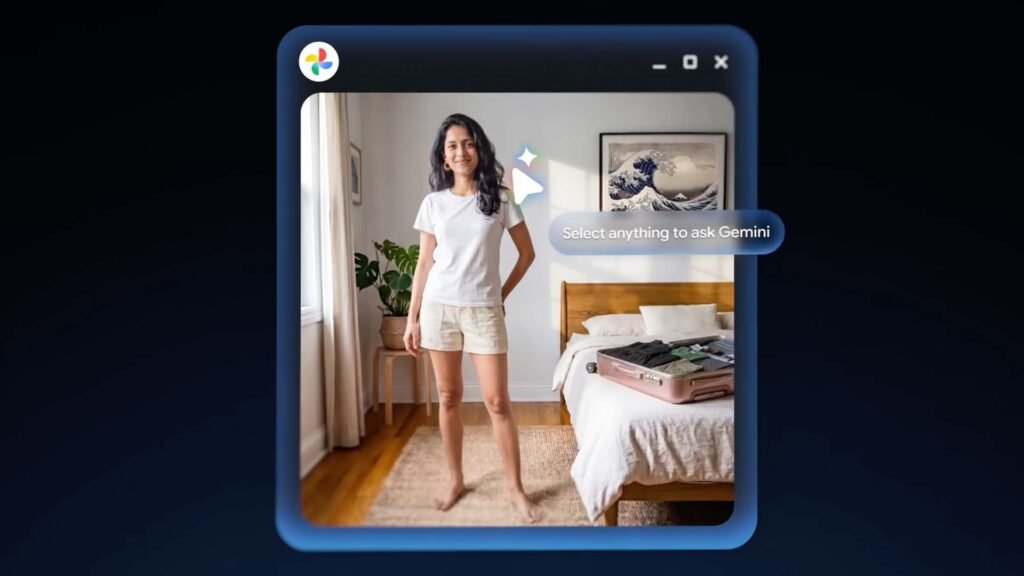
Instead of launching an assistant when needed, the Googlebook is designed around proactive contextual awareness. Gemini is meant to understand what’s happening on-screen and anticipate actions before users explicitly ask.
The clearest example is the new “Magic Pointer” feature. By hovering or gesturing over content, Gemini can interpret context and surface relevant actions automatically. Point at a date buried inside a messy email thread, and the system may offer to schedule the event instantly. Hover over a product image, and Gemini can identify it, find similar items online, or incorporate it into generated content.
Google is also leaning heavily into generative UI creation through a feature called “Create My Widget.” Instead of selecting widgets from a static list, users describe what they want in natural language.
Ask for a dashboard that tracks a flight, local weather in Tokyo, hotel details, and calendar events, and Gemini dynamically builds it on the fly. It’s effectively “vibe coding” for desktop interfaces — and a glimpse into how Google believes people will interact with computers in the AI era.
A more practical example might be dragging a travel itinerary PDF onto the desktop and having Gemini automatically create a workspace containing flight tracking, maps, weather, hotel confirmations, and calendar entries without needing to manually organise anything.
Of course, this level of contextual intelligence also raises the obvious privacy questions.
Google says much of the contextual processing can occur on-device, but the success of the Googlebook may depend heavily on whether consumers are comfortable with Gemini sitting at the centre of their workflow in a way previous digital assistants never quite achieved.
PREMIUM HARDWARE, NOT JUST A CHEAP OPTION
Perhaps the most significant psychological shift is that Google no longer appears interested in competing purely on affordability.
Chromebooks built their reputation on being inexpensive and accessible, particularly in education markets. Googlebook instead targets premium ultraportables — devices consumers actively aspire to own rather than simply tolerate because they’re cheap.
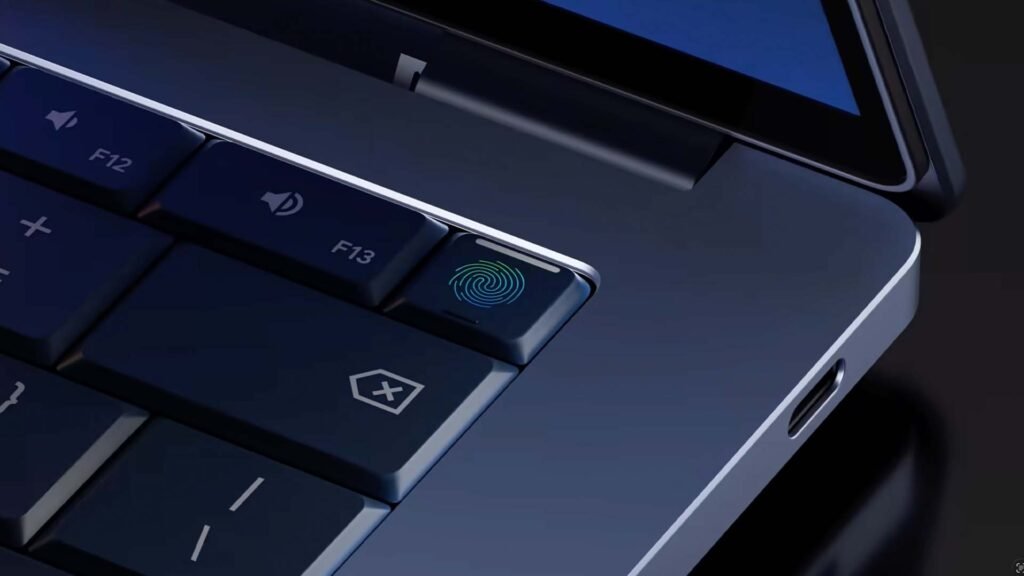
Early reports point toward ARM-based hardware with dedicated AI acceleration, positioning the platform directly against Apple Silicon Macs and Qualcomm Snapdragon X-powered Copilot+ PCs. If battery life and thermal efficiency can compete at that level, Googlebook could become the company’s first genuinely desirable laptop platform rather than simply a practical one.
Google also determined not to repeat the mistakes of the original Pixelbook era by going it alone. Major hardware partners including Acer, ASUS, Dell, HP, and Lenovo are already attached to the launch plans, giving the platform immediate credibility and scale.
That matters because this isn’t just Google releasing another laptop — it’s Google attempting to redefine what the broader PC ecosystem looks like in an AI-first world.
A MULTI-FRONT BATTLE
Google’s timing is remarkably strategic.
Apple continues pushing its ecosystem integration strengths while reportedly preparing even more affordable MacBook models aimed at students and mainstream buyers. At the same time, Microsoft is aggressively repositioning Windows around Copilot and AI-powered workflows ahead of Windows 10 reaching end-of-support.
Googlebook enters the market directly between those two strategies.
Against Apple, Google is pitching a more open and deeply AI-integrated ecosystem built around Android. Against Microsoft, it’s offering something potentially simpler and more appliance-like — a platform that behaves more like a modern smartphone than a traditional PC.
The difference is that this time, Google isn’t trying to win purely on price.
THE BEGINNING OF GOOGLE’S AI COMPUTING ERA
If Chromebooks represented Google’s answer to affordable cloud computing in the 2010s, the Googlebook feels like its attempt to define what personal computing looks like in the AI era.
This isn’t simply a Chromebook with Gemini added on top. It’s Google trying to turn Android into a genuine desktop-class operating system while making AI the centre of the user experience rather than a feature sitting alongside it.
Whether consumers embrace that vision may ultimately come down to trust as much as technology. But after years of fragmented ecosystem experiences and half-steps toward laptop innovation, the Googlebook finally feels like Google presenting a coherent vision for the future of personal computing — and honestly, it’s hard not to want some hands-on time with it.