Google has announced two major changes to its health and fitness ecosystem in Australia: a new screenless wearable called the Fitbit Air, and the local rollout of its AI-powered Google Health Coach. Together, they show a pretty dramatic shift in what Fitbit is becoming — less a standalone fitness brand, and more part of Google’s broader AI and subscription ecosystem.
INTRODUCING THE FITBIT AIR
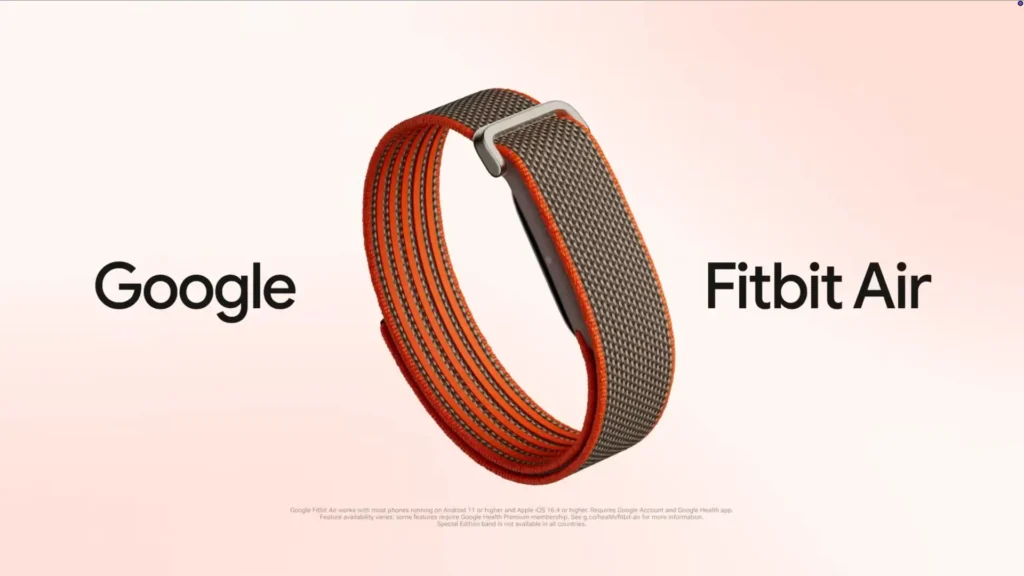
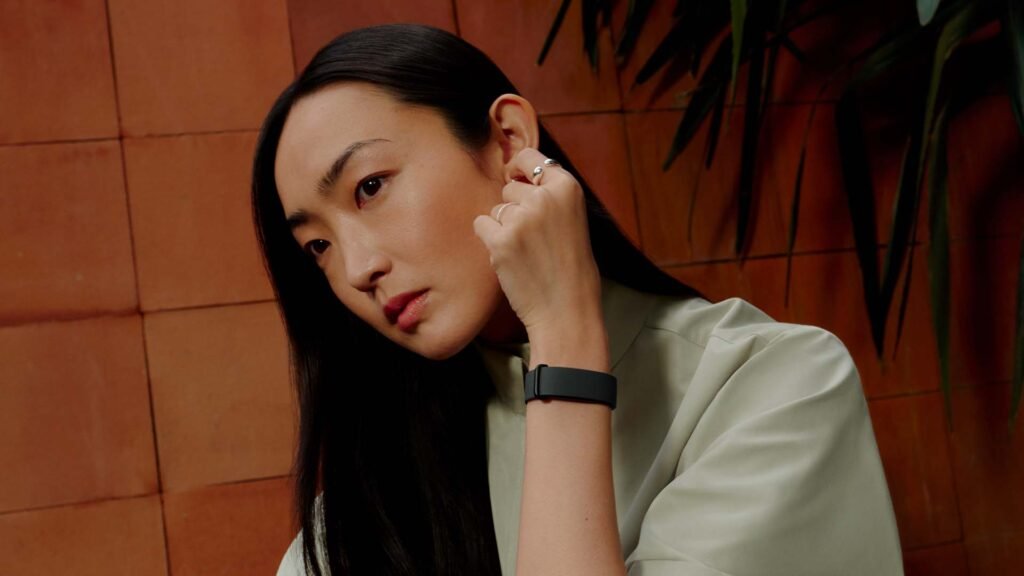
The headline device is the new Fitbit Air, a lightweight fitness tracker that removes one thing most wearables revolve around: the screen. Instead of trying to compete directly with devices like the Apple Watch or Samsung Galaxy Watch, Google is targeting users who want passive health tracking without another glowing display demanding attention throughout the day.
The Fitbit Air focuses on background monitoring — heart rate, sleep tracking, movement, recovery and other wellness metrics — while shifting the actual insights into the newly expanded Google Health app. Google says the tracker is designed for continuous wear, with battery life expected to stretch to around a week between charges.
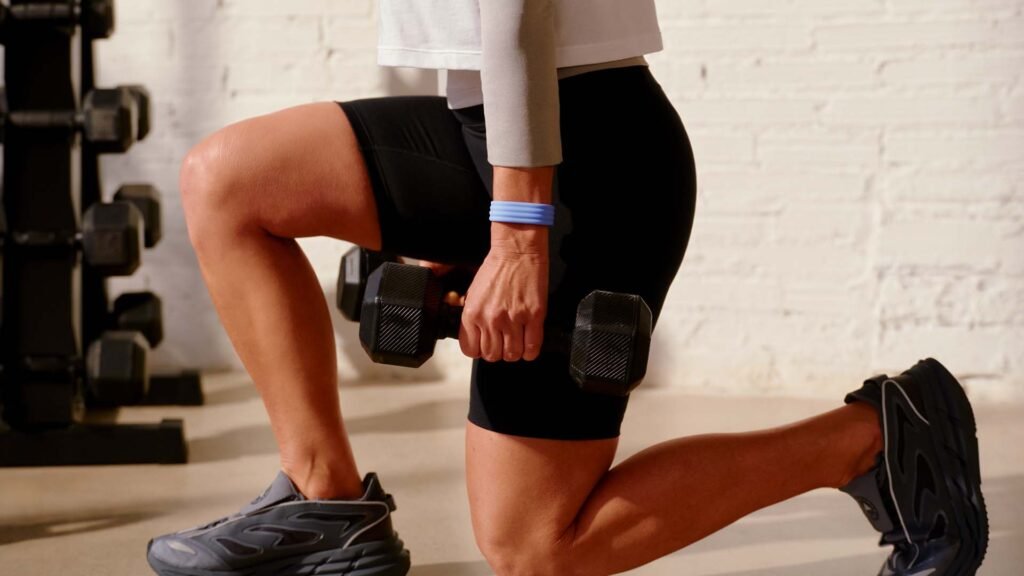
That broader “Google Health” branding matters because Fitbit is no longer really operating as its own isolated platform. Google is steadily merging Fitbit data into a larger ecosystem that also pulls information from Android phones, Health Connect integrations and other supported health platforms.
GOOGLE HEALTH COACH
The bigger announcement for Australians, though, is the arrival of Google Health Coach. Powered by Google’s Gemini AI platform, the feature acts as a conversational wellness assistant that analyses your wearable data and attempts to provide personalised recommendations around sleep, exercise, recovery and overall health habits.
In practice, users can ask questions like why their sleep score dropped, whether they should train after a poor night’s sleep, or how to improve recovery after exercise. The system then attempts to tailor responses based on historical tracking data and broader activity patterns.
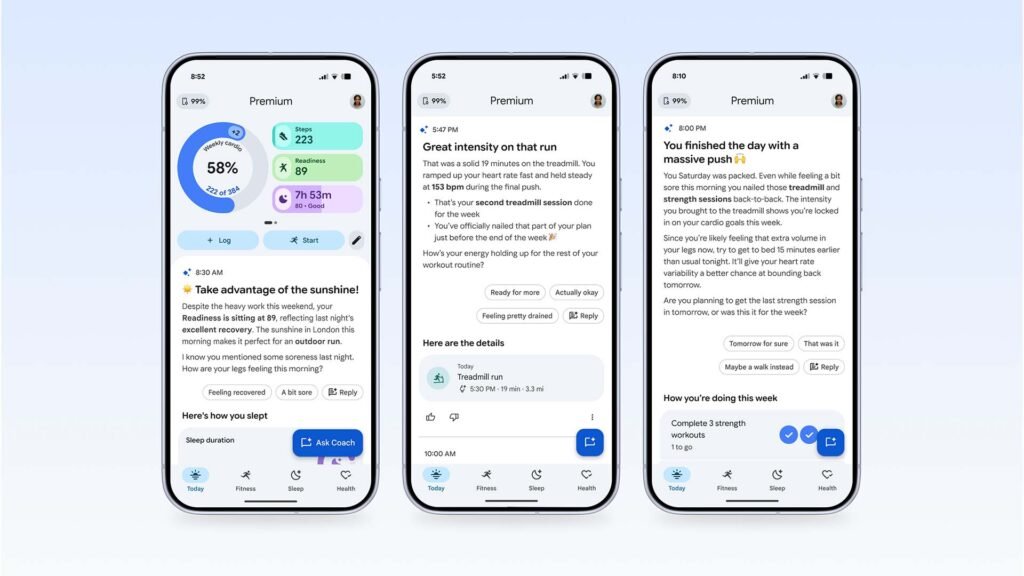
Google is clearly pushing toward a future where wearable devices become less about step counts and more about ongoing AI-driven interpretation of your health data.
There is, however, an important catch for consumers: many of the advanced AI coaching tools sit behind a subscription paywall.
SUBSCRIPTION REQUIRED
Google Health Premium — effectively the replacement for Fitbit Premium — starts at $14.99 per month, or if you already subscribe; is bundled with Google AI Pro and Ultra. If you’re not sure whether it’s really for you, the Fitbit Air itself includes a limited trial period before those recurring costs kick in.
That may become the biggest sticking point for buyers. Fitness trackers used to be relatively straightforward purchases: buy the hardware once, sync your data and you were done. Increasingly, though, wearable companies are moving core insights and advanced analytics behind ongoing subscriptions.
For some users, especially runners, cyclists or people already heavily invested in health tracking, the AI coaching tools may genuinely add value. For casual users, though, paying for automated wellness advice is potentially a much harder sell.
There are also broader concerns around accuracy and usefulness. While wearable tracking has improved significantly over the past few years, devices like these are still consumer electronics — not medical equipment. Sleep analysis, calorie burn estimates and recovery scoring can still vary noticeably between platforms and users.
PRICE AND AVAILABILITY
The Fitbit Air is set at AU$199.00 and will be available in Porcelain, Obsidian and Moonstone colours from the 27th of May. You’ll be able to buy through the Google Store online, or through the usual retail channels. As mentioned, the subscription starts at AU$14.99 per month, or bundled with Google AI subscriptions.
FINAL THOUGHTS
What Google seems to be betting on is that consumers are becoming more interested in long-term health trends and guided wellness recommendations than traditional smartwatch features like apps and notifications.
The Fitbit Air reflects that thinking. It’s less about replacing your phone or acting like a mini-computer on your wrist, and more about quietly collecting data while Google’s AI attempts to turn it into something meaningful.
Further to this, though; the importance of iOS compatibility for the Fitbit Air cannot be overstated. This is a huge step for broadening the potential market for the Fitbit Air and the Google Health Coach.
For Australian consumers, the launch is also notable because Google is increasingly including Australia in early-stage feature rollouts rather than leaving local users months behind the US market. Whether Australians actually want AI-generated health coaching attached to a monthly subscription is another matter entirely.