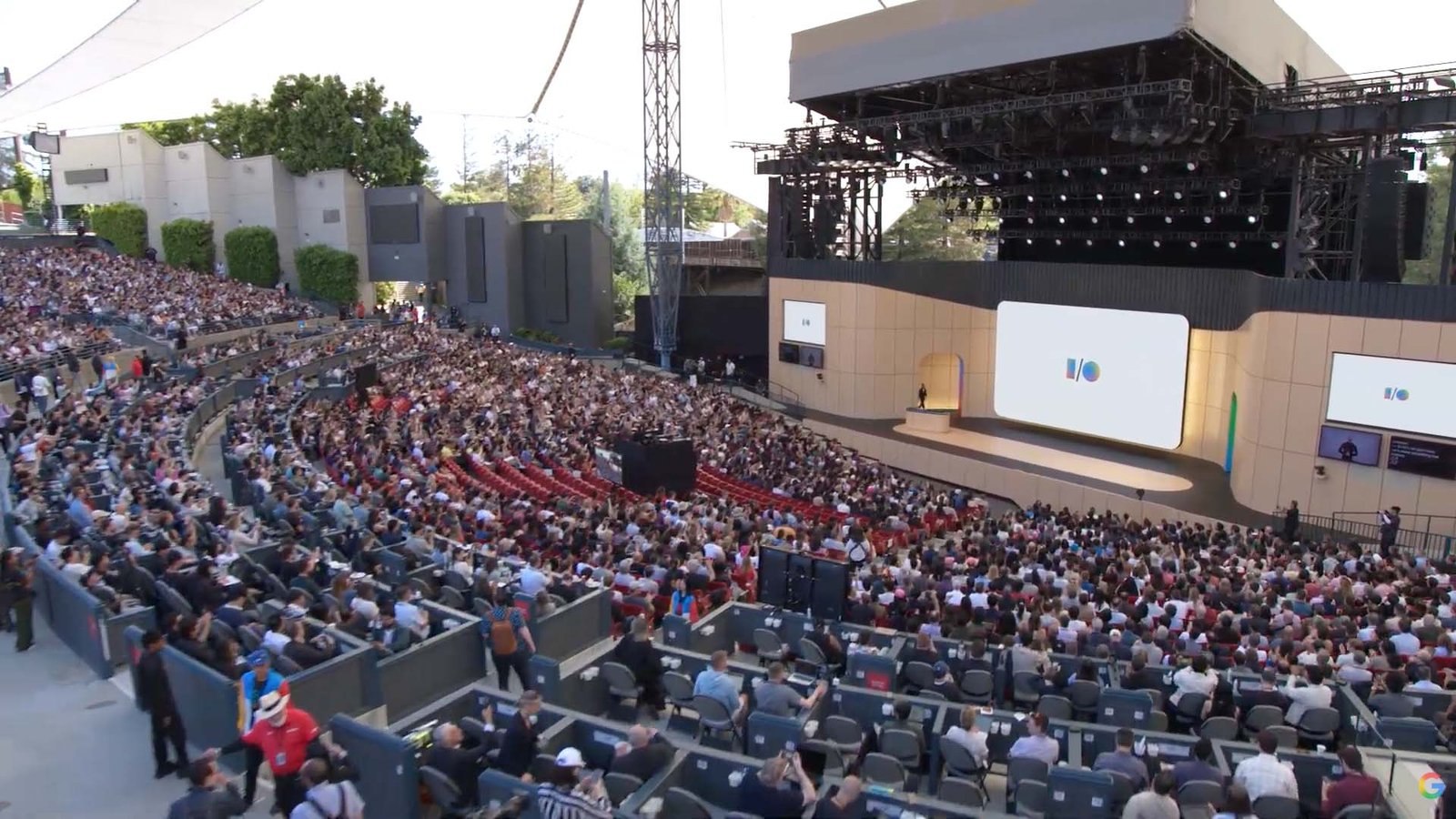

Google has wrapped up its keynote at the Google I/O 2026 developer conference, and the company’s direction is clearer than ever: artificial intelligence is no longer being treated as a standalone product. Instead, it is being embedded into nearly every Google platform, from Search and Android through to Workspace, Chrome, YouTube and upcoming XR hardware.
For technically minded users, this year’s event was less about flashy one-off demos and more about infrastructure, integration and ecosystem control. The announcements collectively point toward Google building a persistent, cross-device AI layer designed to sit across phones, laptops, browsers, wearables and cloud services.
Gemini 3.5 Becomes the Core of Google’s Ecosystem
The biggest announcements centred on Google’s Gemini AI platform.
Google introduced Gemini 3.5 Flash as the new default model for the Gemini app and AI-powered Search experiences, positioning it as a faster and more agent-focused system. According to Google, the model improves coding performance, task execution and multimodal interaction while also introducing stricter guardrails for harmful content generation.
Gemini 3.5 Pro was also announced, although its public release has been delayed until next month. That delay drew an audible reaction from attendees during the keynote, highlighting how central Gemini has become to Google’s broader AI strategy.
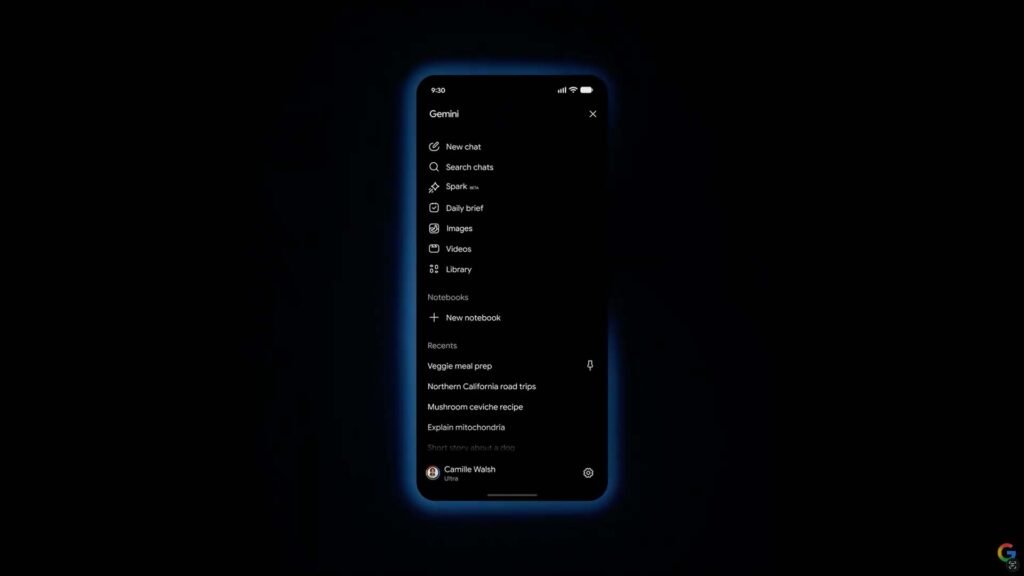
A recurring theme throughout the event was “agentic AI” — systems capable of carrying out tasks semi-autonomously rather than simply responding to prompts. Google demonstrated Gemini managing workflows across apps, generating interfaces, assisting with coding tasks and interacting with services in real time.
The company also introduced Gemini Omni, a new multimodal model family intended to work across text, audio, images and video simultaneously. Omni Flash is the first implementation, with Google positioning it as a foundation for more advanced media generation and contextual interaction in the future.
Search Is Becoming Increasingly AI-Driven
Google Search continues to move away from its traditional “list of links” format.
At I/O 2026, Google confirmed that Gemini 3.5 now powers more of the Search experience, including conversational interactions, AI-generated responses and proactive assistance tools.
One notable shift is that Search is beginning to generate more interface-like responses rather than simply summarising webpages. Google demonstrated AI-generated layouts, planning tools and embedded interactive components inside search results.
This expansion comes while scrutiny around AI-generated answers continues to grow. Independent research published this month found that Google’s AI Overviews occasionally produce unsupported claims or cite sources inconsistently, despite generally referencing higher-quality domains than traditional search results.
That tension — convenience versus accuracy and publisher visibility — remains unresolved, and I/O 2026 shows that Google intends to continue pushing AI-generated answers deeper into Search regardless.
Android 17 Focuses on AI Assistance and Security
Although AI dominated the keynote, Android itself still received substantial updates.
Google’s upcoming Android 17 release introduces what the company calls “Gemini Intelligence,” effectively turning Gemini into a deeper operating-system layer rather than a standalone assistant.
Google demonstrated Gemini moving between apps, building shopping carts from screenshots, managing bookings and generating widgets dynamically through natural language requests. The long-term goal appears to be reducing the need for users to manually navigate apps and menus.
Android 17 also introduces several security-focused features, including:
- Enhanced scam call detection linked to banking app verification
- Expanded malware and APK scanning
- Improved biometric protections for lost devices
- Live threat detection systems integrated more deeply into Android security services
On the usability side, Google previewed redesigned 3D emoji systems, improved multilingual speech-to-text features and “Pause Point,” a tool intended to slow compulsive app usage by introducing deliberate interruptions before launching distracting applications.
Android XR and Smart Glasses Move Closer to Consumer Hardware
Google also spent considerable time discussing Android XR, its platform for mixed reality headsets and smart glasses.
The company showed updated Project Aura smart glasses developed with Xreal, while also confirming partnerships with eyewear brands including Warby Parker and Gentle Monster.
The emphasis this year was less on bulky headset-style XR hardware and more on lightweight wearable computing integrated with Gemini. Google repeatedly referenced contextual assistance, live translation, navigation overlays and voice-first interaction; aligning with several other sections of the keynote.
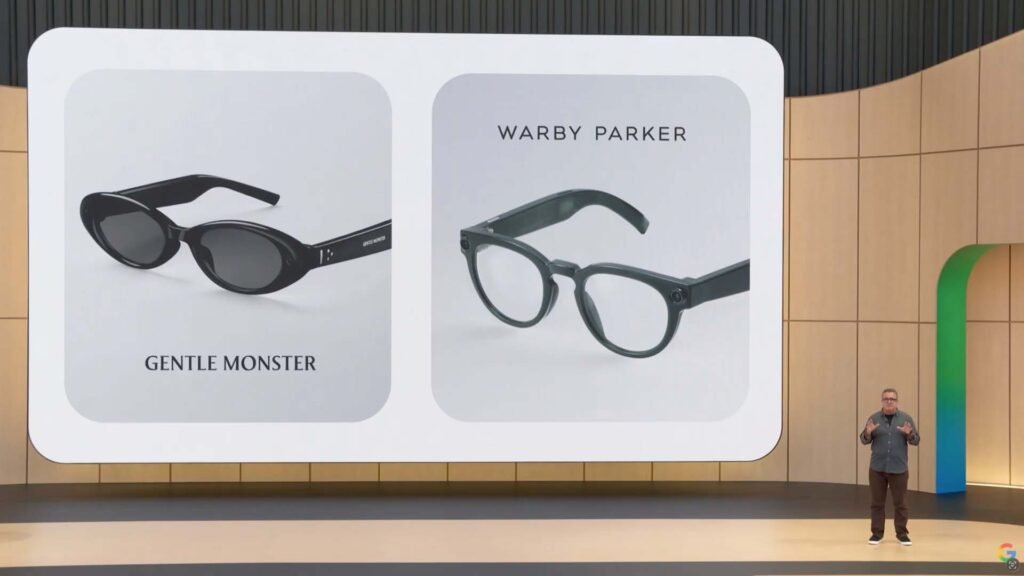
For developers, Android XR is increasingly being presented as a full platform rather than an experiment. Google highlighted APIs for contextual AI interaction and spatial computing workflows, reinforcing that it sees XR as a long-term ecosystem play rather than a niche product category.
Googlebook and the Shift Beyond Chromebooks
One of the more interesting announcements gave a bit more information than we previously knew about the Googlebook, a new category of Gemini-focused laptops.
While details remain fairly limited, Googlebook appears intended to reposition Google’s laptop strategy away from traditional Chromebook branding and toward devices designed around persistent AI functionality.
Reports from the event suggest these systems will integrate Gemini Intelligence deeply into the operating system and browser environment, with Google also teasing a platform referred to as “Aluminium OS.”
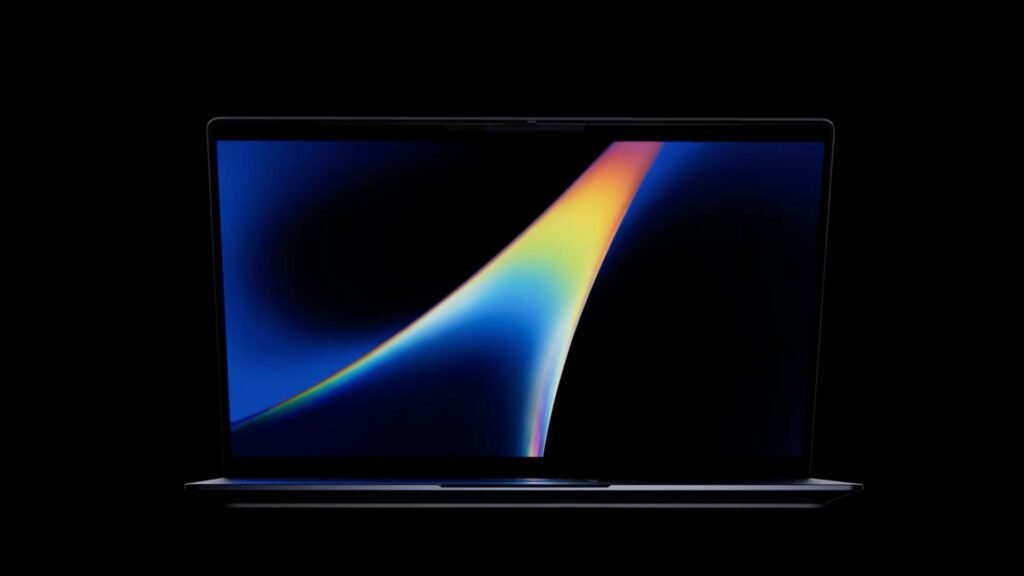
For users, the significance is less about the branding and more about Google attempting to unify Android, ChromeOS-style computing and AI services into a single ecosystem strategy.
AI Expands Across Workspace, Chrome and YouTube
Google also announced broader AI integration across its existing software ecosystem.
New Workspace features include Docs Live for conversational editing, Gmail Live voice interaction and more proactive assistant behaviour within productivity applications.
Chrome is also receiving deeper Gemini integration, with Google demonstrating browsing assistance and task automation features. Meanwhile, YouTube is gaining conversational discovery tools through “Ask YouTube,” designed to allow users to query video content directly rather than manually searching timestamps or descriptions.
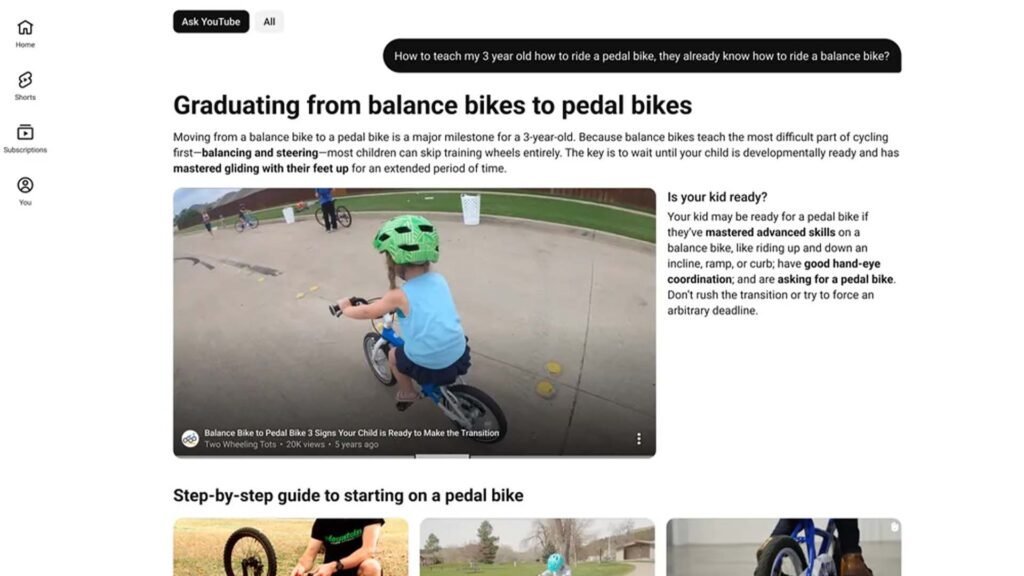
These changes continue Google’s broader push toward conversational interfaces replacing traditional navigation methods across its services.
The Bigger Picture
The clearest takeaway from Google I/O 2026 is that Google no longer sees AI as a separate category of products. Instead, Gemini is being positioned as the connective layer across Android, Search, Workspace, Chrome, XR hardware and future computing platforms. Nearly every major announcement at the conference reinforced that direction.
At the same time, several major questions remain unresolved — particularly around accuracy, privacy, publisher impact and the long-term practicality of increasingly autonomous AI systems embedded into everyday computing.
I/O 2026 made one thing obvious: Google is accelerating toward an ecosystem where interaction with devices becomes progressively more conversational, contextual and AI-mediated, whether users actively ask for it or not.