This is a good news tech story.
Apple has unveiled a range of accessibility updates that use Apple Intelligence to bring new capabilities to features to VoiceOver, Magnifier, Voice Control and Accessibility Reader. Features that really stands out to me are on-device generated subtitles for uncaptioned video content and the ability for Apple Vision Pro users to control compatible wheelchairs with their eyes. You’ll see those updates roll out later this year.
“Apple’s approach to accessibility is unlike any other,” said Tim Cook, Apple’s CEO.
“Now, with Apple Intelligence, we are bringing powerful new capabilities into our accessibility features while maintaining our foundational commitment to privacy by design.”
SUBTITLES GENERATOR
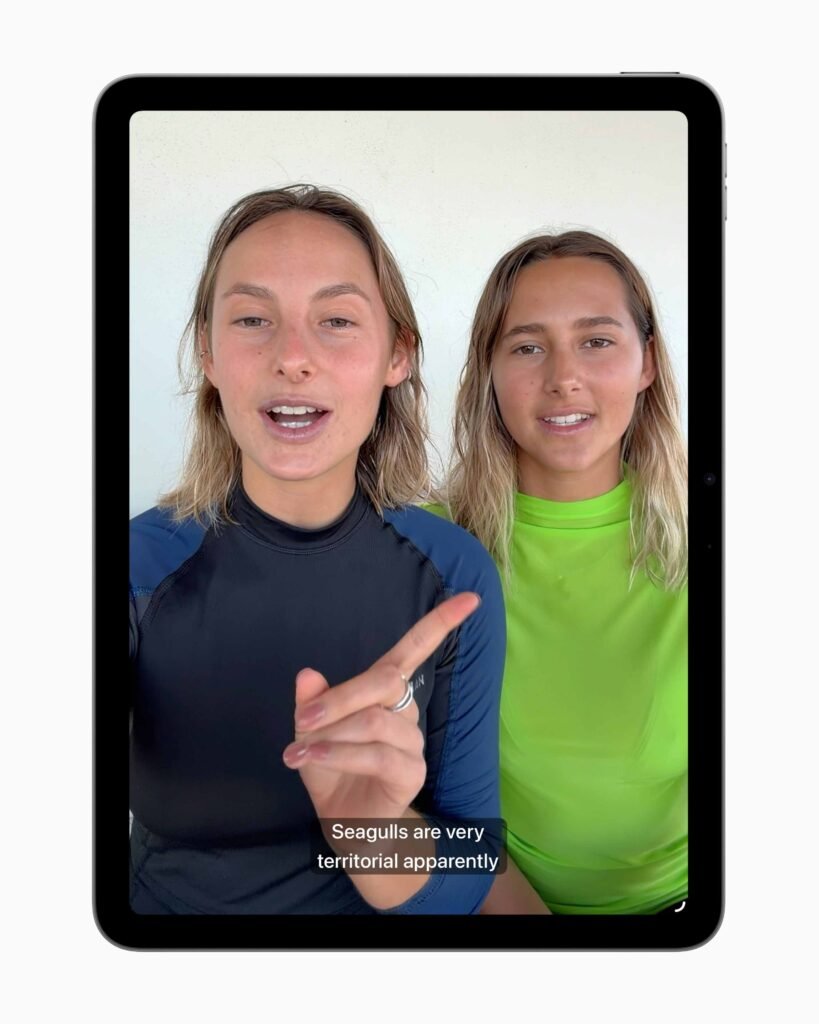
Apple has expanded captioning solutions for users who are deaf or hard of hearing to personal videos. This unlocks a form of communication that has been hard to access. With new generated subtitles, videos can display transcriptions of spoken audio automatically when captions or subtitles are not already provided, including in clips recorded on iPhone, received from friends and family, or streamed online. With on-device speech recognition, subtitles are generated privately and appear automatically for uncaptioned videos on iPhone, iPad, Mac, Apple TV and Apple Vision Pro. The appearance of subtitles can be customised in the video playback menu or in Settings.
APPLE VISION PRO WHEELCHAIR CONTROL
If there is as ever a compelling use for Apple Vision Pro – this is it. For some people who use power wheelchairs, driving with a joystick is not an option, and alternative drive controls can be an essential part of independent movement. Using the precision eye-tracking system on Apple Vision Pro, a new power wheelchair control feature offers users a responsive input method for compatible alternative drive systems. With Vision Pro, eye tracking doesn’t require frequent recalibration and works in a variety of lighting conditions. The feature launches with Tolt and LUCI alternative drive systems in the US, with accessory support for both Bluetooth® and wired connections, and Apple will continue to work with developers to expand support for more wheelchair drive systems.
“The option to control my power wheelchair on my own is gold to me,” said Pat Dolan, founder of GeoALS and a member of Team Gleason’s patient advisory board, who has lived with ALS for 10 years.
“With this new feature, Apple is developing life-enhancing technology for the people who need it most.”
“Over the past decade, we’ve seen eye-driven wheelchair systems evolve in incredible ways,” said Blair Casey, Team Gleason’s CEO.
“Leveraging Apple Vision Pro’s eye-tracking capabilities in this way is a huge step forward. Team Gleason is proud to support this initiative and excited to see the benefits it can bring to people who use power wheelchairs.”
VOICEOVER AND MAGNIFIER
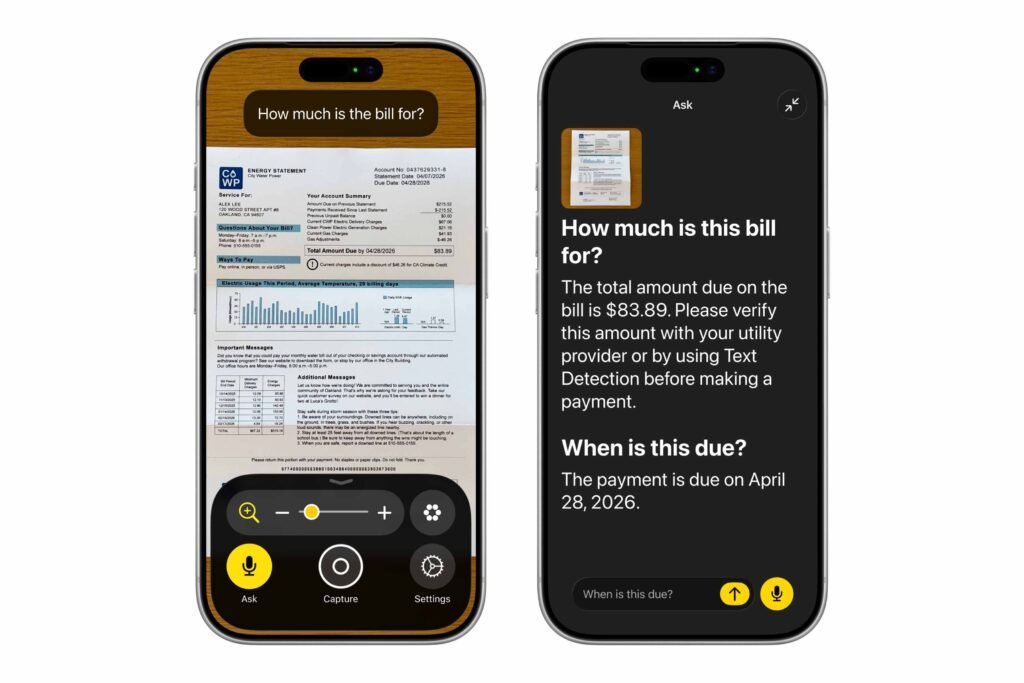
VoiceOver and Magnifier are invaluable tools for people who are blind or have low vision. VoiceOver’s Image Explorer now uses Apple Intelligence to offer more detailed descriptions of images across the system, including photographs scanned bills personal records and other visual content. Live Recognition updates allow VoiceOver users to quickly ask questions about the camera viewfinder on their iPhone by pressing the Action button and receive detailed responses. Users can also ask follow-up questions in their own words to gain further visual information.
Magnifier uses Apple Intelligence to a high-contrast interface tailored for users with low vision. It also integrates with the Action button for quick question-and-answer interactions and allows users to control the app with spoken commands like “zoom in” or “turn on torch.”
NATURAL VOICE CONTROL
Voice Control now uses natural language to help users with a range of physical disabilities navigate iPhone and iPad entirely by voice. With a new flexible input, users can describe onscreen buttons and controls with natural language instead of memorising exact labels or numbers. The option to “say what you see” is great for navigating any app, including those with visual layouts such as Apple Maps or Files, using intuitive language like “tap the guide about best restaurants” or “tap the purple folder.” This really helps when elements aren’t properly labelled for accessibility.
ACCESSIBILITY READER
Accessibility Reader is a customised reading experience for users with a wide range of disabilities, from dyslexia to low vision. Accessibility Reader works on more complex source material like scientific articles, handling text with multiple columns, images and tables. On-demand summaries provide readers the option to get an overview of the article before diving into the details. And with new built-in translation, users can read text in their native language while retaining customised formatting, font and colours.
HIKAWA ADAPTIVE MAGSAFE ACCESSORY
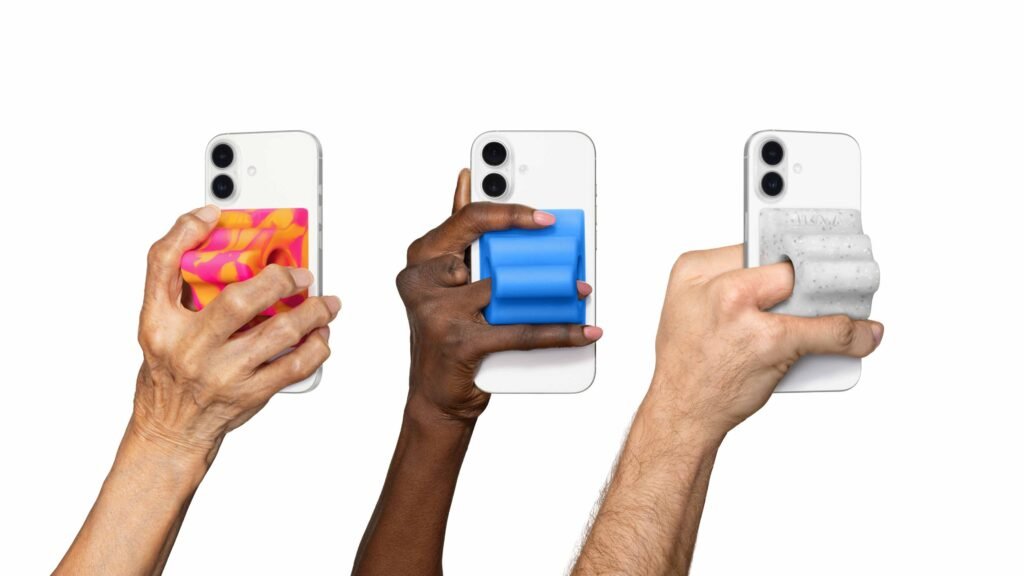
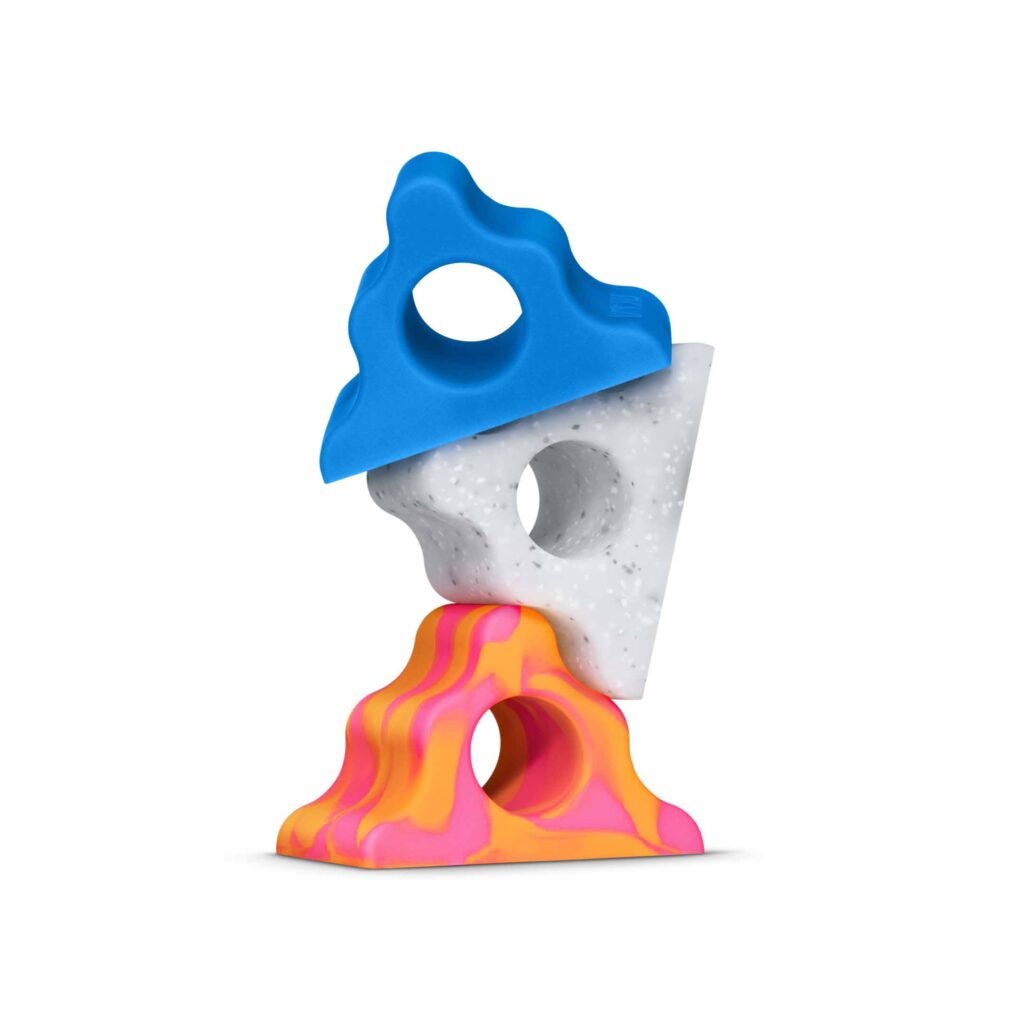
The incredible Hikawa Grip & Stand for iPhone is now available in three new colours. The MagSafe accessory is an adaptive grip and stand that helps users hold iPhone in the way that works best for them. Now, in a collaboration between Hikawa and PopSockets, this unique adaptive accessory is available globally for the first time.
“Apple’s accessibility work — which involves including disability communities from the very earliest stages of design to make the best possible product for everyone — has been the driving force of this project,” said Hikawa.
“Our studio is built around intuitive, delightful accessories for iPhone, and it’s been a great privilege to create a product that embraces iPhone as an assistive device and pays tribute to accessibility.”
“The accessibility features our users rely on every day become even more powerful with Apple Intelligence,” said Sarah Herrlinger, Apple’s senior director of Global Accessibility Policy and Initiatives.
“With these updates, we’re bringing new, intuitive options for input, exploration and personalisation — designed to protect users’ privacy at every step.”
MORE UPDATES
- Vehicle Motion Cues come to visionOS, which can help reduce motion sickness for people who use Apple Vision Pro as a passenger in a moving vehicle. Vision Pro will also support face gestures for performing taps and system actions, plus a new way to select elements with one’s eyes while using Dwell Control.
- Touch Accommodations provide a new way to personalise setup in iOS and iPadOS.
- Made for iPhone hearing aids pair and hand off between Apple devices more reliably, with an improved setup experience in iOS, iPadOS, macOS and visionOS.
- Larger Text support is coming to tvOS, so viewers who have low vision can increase onscreen text size to be easier to read.
- Name Recognition, which can notify users who are deaf or hard of hearing if someone says their name, works across more than 50 languages globally.
- For sign language interpretation app developers, a new API supports users in adding a human interpreter to an ongoing FaceTime video call.
- Those with difficulty interacting with traditional controllers can now connect the Sony Access controller as a game controller with iOS, iPadOS and macOS. Users can configure the thumbstick, nine built-in buttons, and up to four additional external buttons or specialty switches to personalise layout. They can also combine two controllers for a deeply personalised gaming experience.