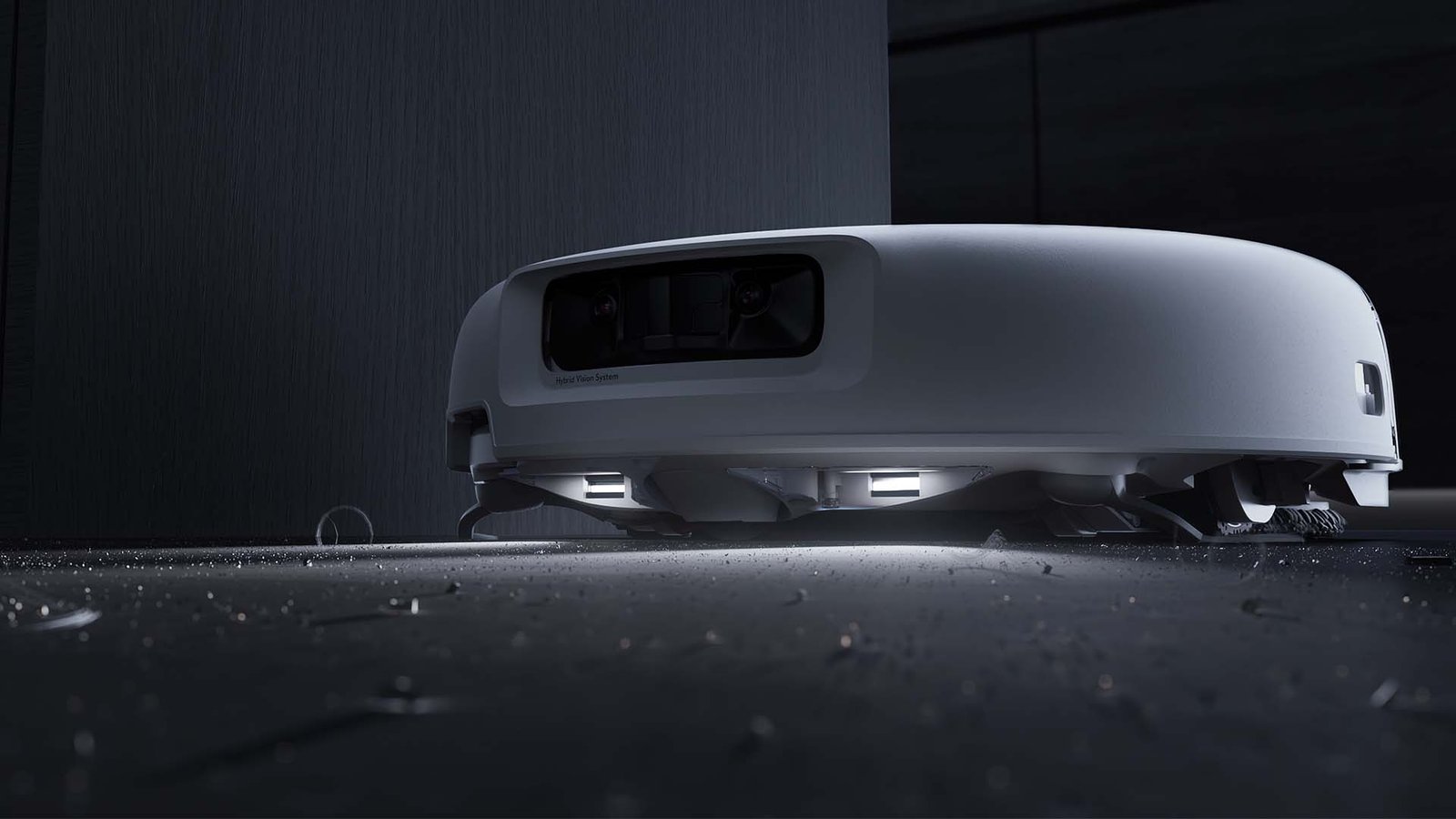

DJI has launched the ROMO 2, its second-generation robot vacuum and mop, bringing improved obstacle detection, stronger suction and a new LiDAR-guided robotic cleaning arm.
- ◆AI-Powered Obstacle and Mess Recognition
- ◆Millimetre-Level Obstacle Avoidance
- ◆123° LiDAR-Guided Robotic Cleaning Arm
- ◆36,000 Pa Suction and Advanced Threshold Climbing
- ◆Self-Cleaning Base with Up to 365 Days Operation
- ◆Local Data Mode and Advanced Privacy Controls
The ROMO 2 builds on DJI’s experience with drone navigation and sensing, using its camera and sensor system to identify obstacles, distinguish between debris and liquid spills, and adjust its cleaning behaviour accordingly.
The Hardware
The ROMO 2 offers 36,000Pa suction, with a pressure plate that lowers on carpet to help extract embedded dirt. Dual side brushes handle debris collection while being designed to reduce hair tangles.

DJI’s upgraded obstacle detection can identify floor-level objects as thin as 2mm, including cables and pet training pads, as well as transparent obstacles such as glass.
A major addition is the LiDAR-guided robotic mopping arm, which swings through 123 degrees and extends further beneath furniture and towards walls and table legs. The robot can also cross single thresholds up to 4cm high and double-step obstacles up to 8.5cm.
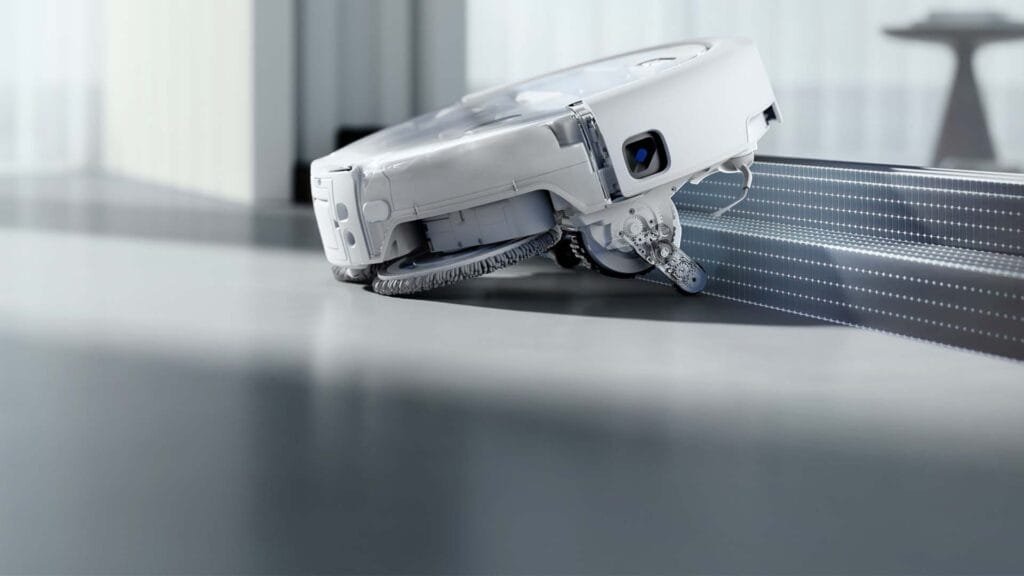
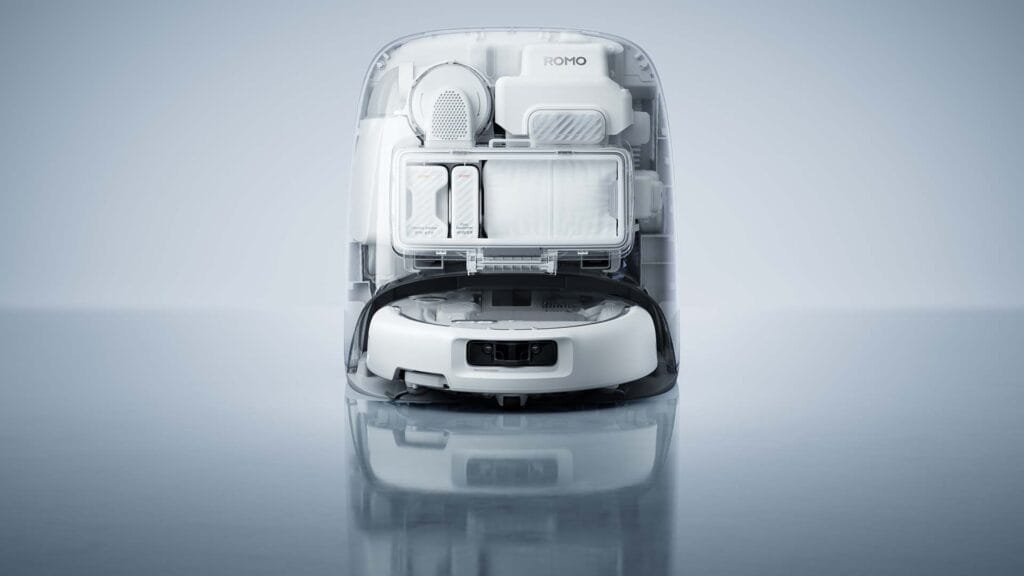
The accompanying base station automatically cleans the mop using four water jets and a 16mm waste suction port. The ROMO 2 supports 55W charging, with a full charge taking around 2.5 hours.
DJI is also introducing Local Data Mode later this year. When enabled, it disconnects the DJI Home app from the internet to prevent photos and video from syncing with external servers. The robot’s camera and microphone can also be disabled through the app.
Pricing and Availability
The DJI ROMO 2 starts at A$2,899 and will be available through DJI and authorised Australian retailers during September. A launch promotion running from 9 to 30 September drops the price to A$2,399, a saving of $500.
Conclusion
At this price, the ROMO 2 sits firmly in premium robot vacuum territory. Its standout features aren’t necessarily the AI branding, but the combination of 36,000Pa suction, improved obstacle detection, extended LiDAR-guided mopping, and the ability to navigate larger thresholds.
The addition of an offline Local Data Mode is also notable for a smart-home device equipped with cameras and microphones.