
- Bright, Clear Display
- Broad Range of Activity Tracking
- IP68 Dust and Water Resistance
- Lack of AI integration eg. Gemini
- Clunky notification handling
- No contactless payment options
Motorola has returned to the smartwatch arena with the 2026 Moto Watch, aiming to carve out a compelling niche between budget fitness trackers and premium smartwatches. At this price point, it delivers impressive hardware specs and a week-long battery life, though it makes several concessions that set it apart from competitors like the Apple Watch and Google Pixel Watch.
The Hardware
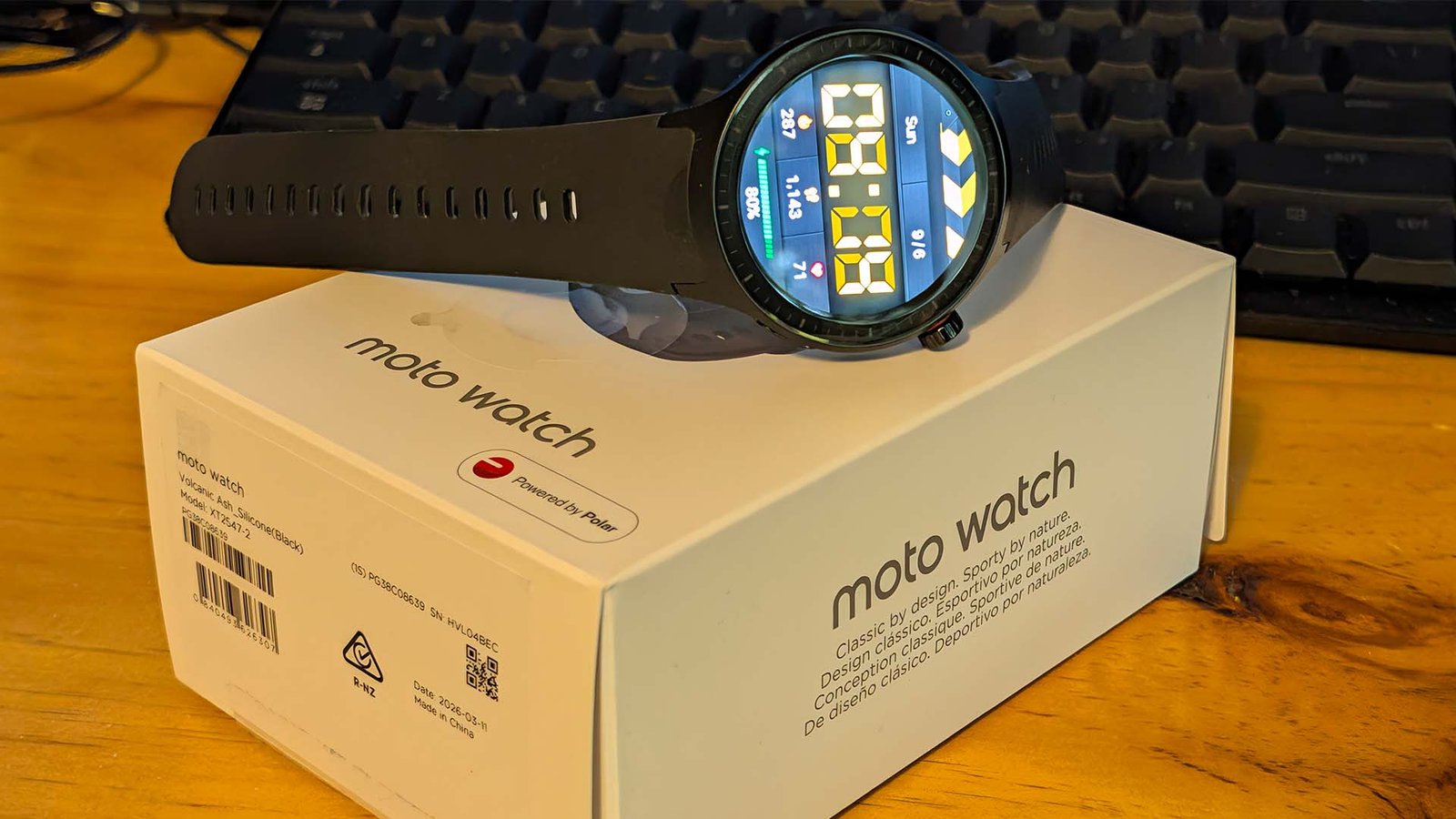
Motorola didn’t cut corners on the physical build. The watch features a 47mm sandblasted aluminium case paired with a textured stainless-steel crown that feels premium despite the budget-friendly price. At just 40 grams, it’s remarkably light and comfortable for 24/7 wear, even during sleep. The 1.4-inch OLED display punches well above its class with 464×464 pixels of sharpness and vibrant colours, protected by Corning Gorilla Glass 3.
Durability ratings are solid, with the Moto Watch carrying an IP68 dust- and water-resistance rating, along with 1 ATM water protection. The two colour options—Volcanic Ash and Silver—are understated and versatile.
Where the hardware shines most is battery life. Motorola rates the Moto Watch for up to 13 days of battery life, or around seven days with the always-on display enabled. This is a significant advantage over the Apple Watch’s daily charging requirement or the Pixel Watch’s average of 24 hours. Quick charging helps reduce wait times, but this longevity is a genuine selling point.
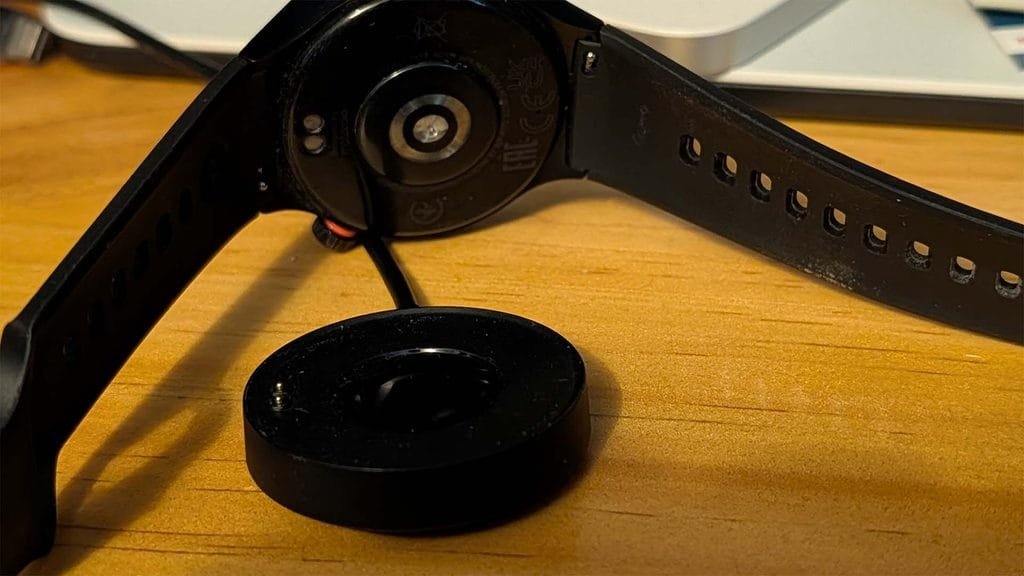
Daily Use
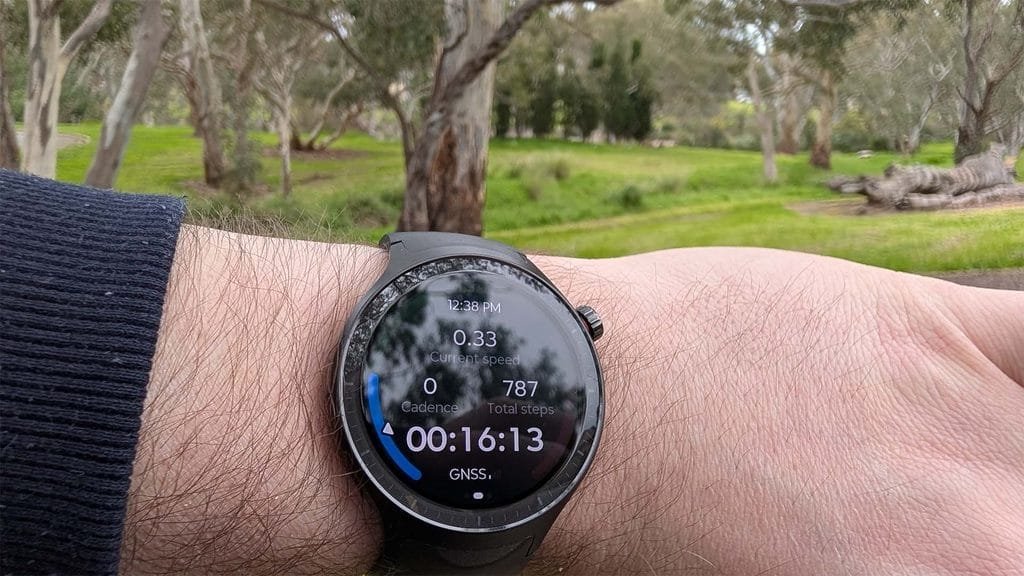
In everyday scenarios, the Moto Watch handles the basics admirably. Telling time, checking notifications, tracking steps, calories, and heart rate are all smooth operations. The inclusion of dual-frequency GPS (L1 + L5) is impressive at this price point and potentially offers better positioning accuracy in challenging environments. However, I did notice at times that the GPS wasn’t as accurate as it could — or perhaps should — have been while out on walks.
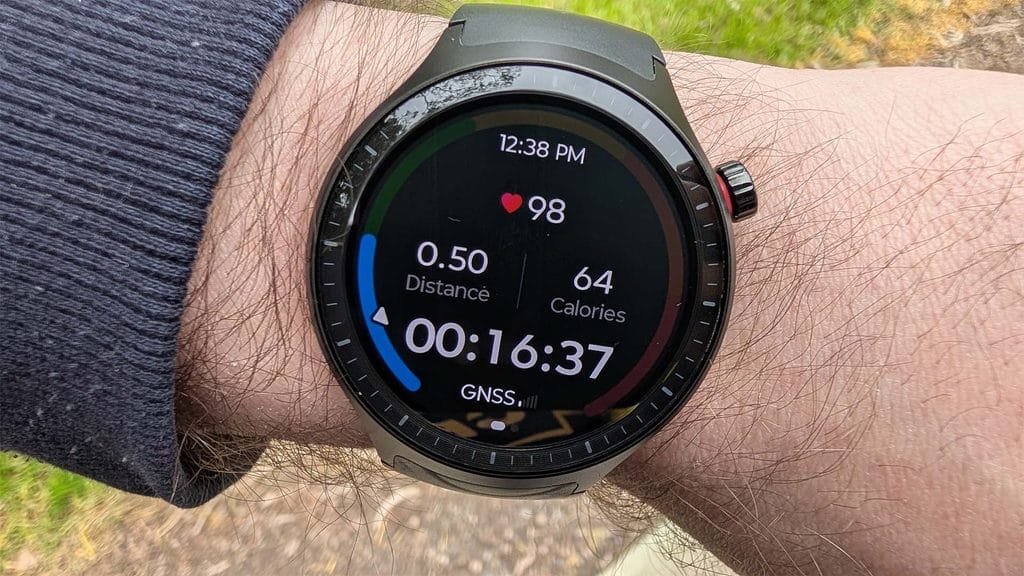
Fitness tracking benefits from Motorola’s partnership with Polar, bringing credibility to heart-rate variability, sleep-stage monitoring, stress tracking, and recovery insights. There’s a pile of sport and activity modes that will please a lot of users. Hands-free calling via Bluetooth 5.3 works surprisingly well when tethered to your phone, and the built-in speaker and microphone deliver clear audio.
However, gaps start to appear when you look at some of the features others have been working on for generations of hardware. Items like notification management are a little clumsy and don’t sync to your phone. This is one of the points where a simplified operating system prioritises streamlined performance and battery life, but sacrifices the depth of interaction users expect from more advanced devices.
The User Experience
This is where the Moto Watch diverges most significantly from its obvious Apple and Pixel counterparts. The Moto Watch uses Motorola’s own lightweight operating system rather than Google’s Wear OS. While the interface borrows heavily from Wear OS, the simpler platform prioritises battery efficiency over the broader app and Google services ecosystem.
The interface works well for what it includes: a clean, distraction-free layout.
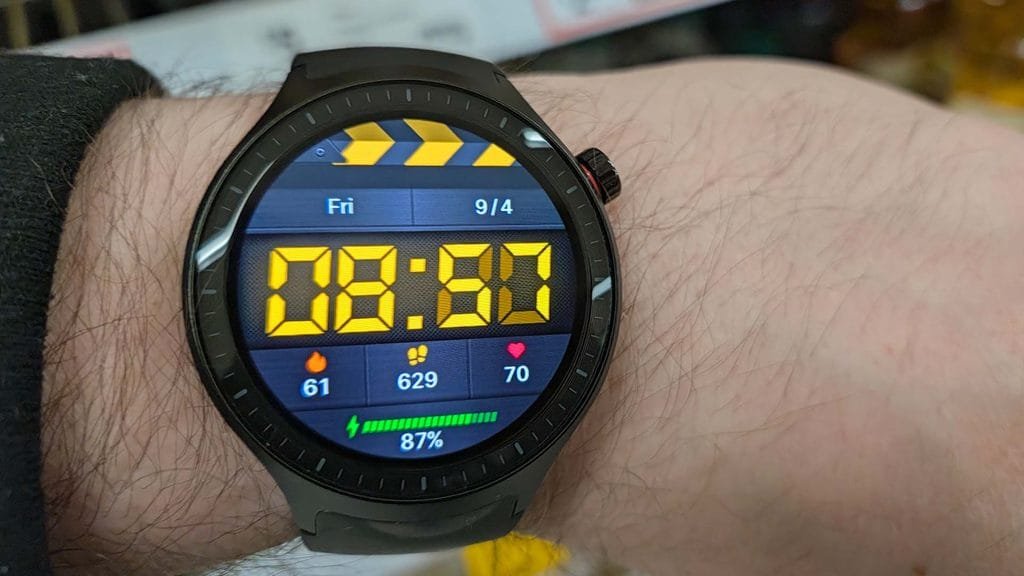
Coming from a Pixel Watch, I struggled with the lack of Google Gemini availability on the watch. Perhaps where the Moto Watch falls behind its competitors is in missing connectivity and ecosystem features that have become standard expectations. The most notable absence is NFC support for contactless payments. Unlike the Apple Watch with Apple Pay or the Pixel Watch with Google Pay, the Moto Watch offers no way to leave your wallet at home—a significant inconvenience in 2026 when tap-to-pay dominates daily transactions.
Similarly, the lack of standalone Wi-Fi means the watch can’t independently access online services, with most connected features relying on a Bluetooth connection to your phone. The onboard GPS does mean you can leave your phone behind when recording outdoor activities, but you won’t have the broader standalone connectivity offered by more expensive smartwatches. This limits situations where you’d want to leave your phone behind entirely, whether hitting the gym, going for a run, or stepping out for quick errands.
Perhaps most limiting for power users is the severely restricted third-party app support. The proprietary operating system essentially locks you into Motorola’s first-party offerings, meaning you cannot install popular apps like Strava, Spotify, or Uber directly from your wrist. Both Apple and Pixel watches offer full access to their respective app stores, providing thousands of options that dramatically expand what the devices can do. This is a deliberate trade-off for battery life but represents a meaningful sacrifice in day-to-day utility.
A couple of times I tested the Moto Watch side-by-side with another device and found the heart-rate readings were between 10 and 40 BPM lower during intense activity. At one point, I felt like I was dying — thanks to my PT Dani — while the Moto Watch was reporting my heart rate at just 140 BPM, which simply wasn’t accurate. Casual users may never notice this, but anyone relying on precise heart-rate zones for training should keep it in mind.
Pricing and Availability
Launched in January 2026 and hitting retail shelves in February, the Moto Watch arrived at A$199, although there are specials as low as A$149 if you keep your eyes out. This positions it aggressively below both the Apple Watch ($399+) and Pixel Watch ($299+), undercutting them by some margin.
It’s widely available through Motorola’s official store, Amazon, and JB Hi-Fi in both Volcanic Ash and Silver finishes. The 22mm strap compatibility offers flexibility for customisation.
Conclusion
The 2026 Moto Watch is a well-executed re-entry for Motorola into the wearable market. Its premium build quality, exceptional battery life, and dual-band GPS make it an attractive option for users who prioritise fundamentals over ecosystem integration.
However, the trade-offs are substantial for some daily-use features. Without NFC payments, Wi-Fi, or a robust third-party app platform, it falls short of the daily convenience offered by Apple and Pixel Watches. The questionable heart rate accuracy and somewhat clunky notification management narrow its appeal for fitness-focused users.

At A$199, the Moto Watch delivers undeniable value—but that value comes with compromises. You’re getting hardware that looks and feels closer to $300 devices, with battery performance that even premium competitors struggle to match. Those willing to accept the compromises will find a very capable daily companion.