

OpenAI is changing the way teenagers interact with ChatGPT, introducing a dedicated ChatGPT for Teens experience that combines new learning features with stronger safety protections and expanded parental controls.
The new experience began rolling out globally on August 18 and is expected to become available to Australian users by September 8. Importantly, this isn’t simply an optional “kids mode” that parents need to manually enable. OpenAI says ChatGPT for Teens will become the default experience for users whose age its age-prediction systems identify as under 18.
The move reflects just how significant AI is becoming in education. According to OpenAI, almost 90 per cent of teenagers who use ChatGPT during a given week use it for learning, finding information, developing skills or improving productivity.
Rather than trying to discourage that use, OpenAI appears to be taking the approach that teenagers will use AI anyway — so the platform needs to provide an experience designed specifically for them.
ChatGPT wants to help teens learn, not just give answers
One of the more interesting parts of ChatGPT for Teens is its increased focus on using AI as a learning tool rather than simply an answer generator.

Study Mode can guide students through problems step by step, while interactive quizzes allow them to test their understanding of a topic. There’s also a new Study Hours feature that can automatically place new conversations into Study Mode during scheduled periods.
Homework reminders take a similar approach, encouraging teenagers to actually work through their assignments rather than simply asking ChatGPT to complete them.
It’s an important distinction as schools, teachers and parents continue figuring out where generative AI fits into education. There’s obviously a considerable difference between using AI to understand a difficult maths problem and asking it to write your entire assignment.
Parents get more control — but not access to conversations
Parents will also be able to link their ChatGPT account with their teenager’s account, giving them access to a range of additional controls. These include setting quiet hours and managing selected ChatGPT features. Parents may also receive notifications in certain high-risk situations.

There is, however, an important privacy boundary: linking the accounts doesn’t give parents access to their teenager’s ChatGPT conversation transcripts.
For my mind, that’s a reasonably sensible middle ground between parental oversight and giving teenagers some level of privacy while using the service.
OpenAI is also introducing more frequent break reminders and clearer boundaries around interactions with ChatGPT. The company says these measures are intended to encourage healthier use, reduce the risk of emotional dependence on AI and reinforce the importance of relationships with trusted people and real-world support.
Stronger protections for under-18s
OpenAI says accounts identified as belonging to people under 18 will receive age-appropriate model protections intended to reduce exposure to harmful or developmentally inappropriate material while still allowing teenagers to learn, create and explore.
Higher-risk areas receiving additional protections include self-harm, violence, eating disorders, dangerous activities and explicit sexual or graphic material. The company says the protections are based on its Under-18 Principles and are informed by developmental science and expert advice.
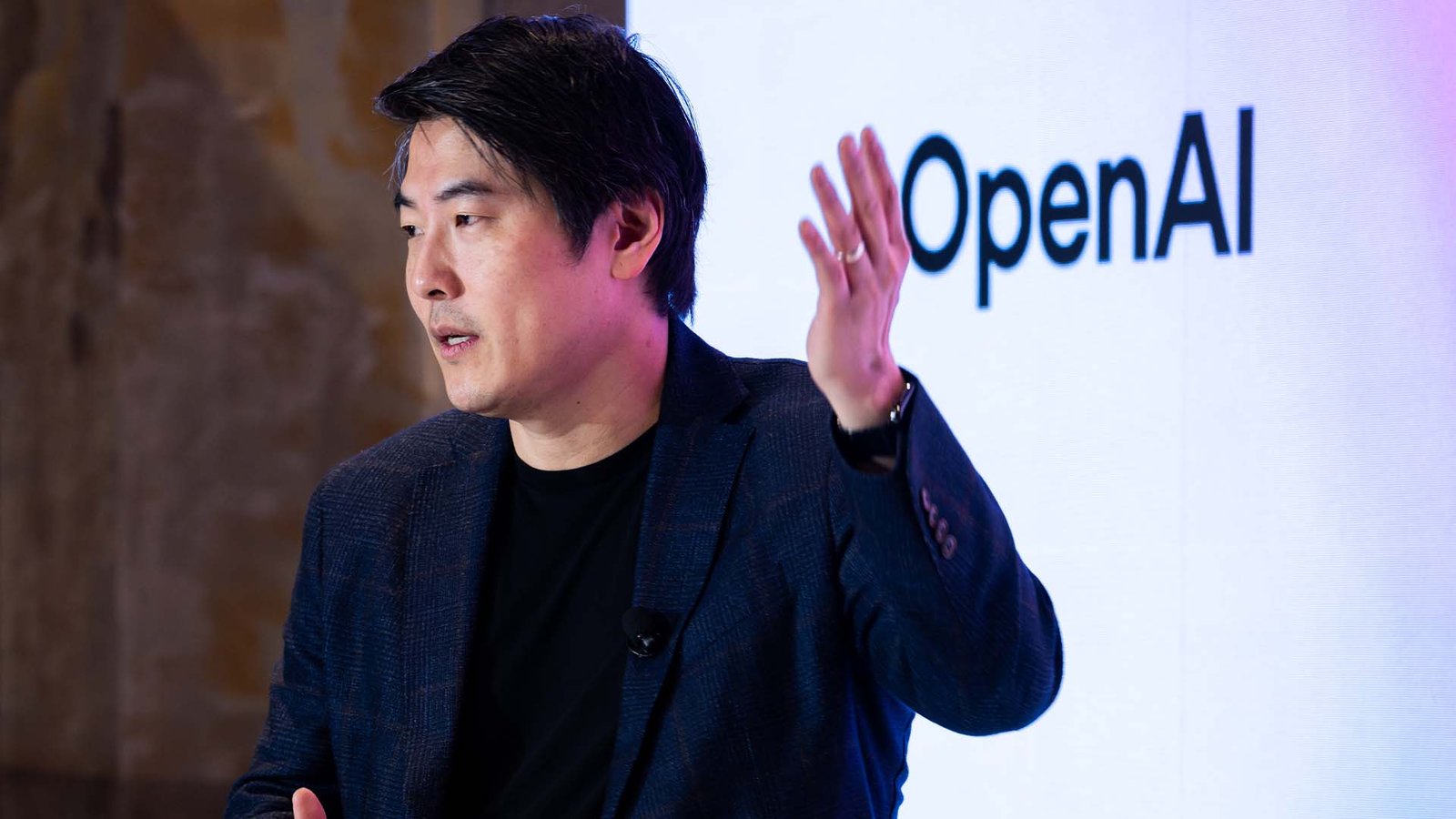
Brent Thomas, OpenAI’s Head of Policy for Australia and New Zealand, said the aim is to allow teenagers to benefit from AI while recognising that younger users require a different approach.
“We want teens to use AI responsibly to learn, create and explore. That means access should come with protections that reflect their developmental stage, reinforce relationships with trusted people in their lives and support healthy use over time.”
OpenAI says its approach is based around four commitments: putting teen safety first, encouraging real-world support, treating teenagers according to their developmental stage and being transparent about how its systems should behave.
AI isn’t going away — teaching teenagers how to use it matters
Perhaps the most interesting thing about ChatGPT for Teens isn’t any individual safety feature. It’s the acknowledgement that teenagers are already using generative AI as part of how they learn and find information.
Trying to completely remove AI from education increasingly looks unrealistic. The bigger challenge is helping younger users understand when AI is useful, when it can be wrong, and the difference between using a tool to learn something and allowing that tool to do the thinking for them.
Features such as Study Mode and interactive quizzes could help shift ChatGPT towards the role of tutor rather than answer machine, although their effectiveness will ultimately depend on how teenagers choose to use them.

Parents are going through much the same learning curve.
Alongside ChatGPT for Teens, OpenAI has released educational resources for families in more than 50 languages, including a dedicated Parent Hub, a family guide to responsible AI use and advice for talking with teenagers about artificial intelligence.
ChatGPT for Teens is expected to arrive in Australia by September 8, and with AI becoming increasingly embedded in schools, workplaces and everyday technology, giving younger users tools designed around learning rather than simply restricting their access could prove to be the more useful approach.