
Telstra has expanded its satellite-to-mobile service, allowing eligible customers to use a selection of popular smartphone apps when they’re outside the reach of the company’s mobile network. The update marks the next stage in Australia’s direct-to-satellite mobile rollout, moving beyond basic text messaging to limited data services.
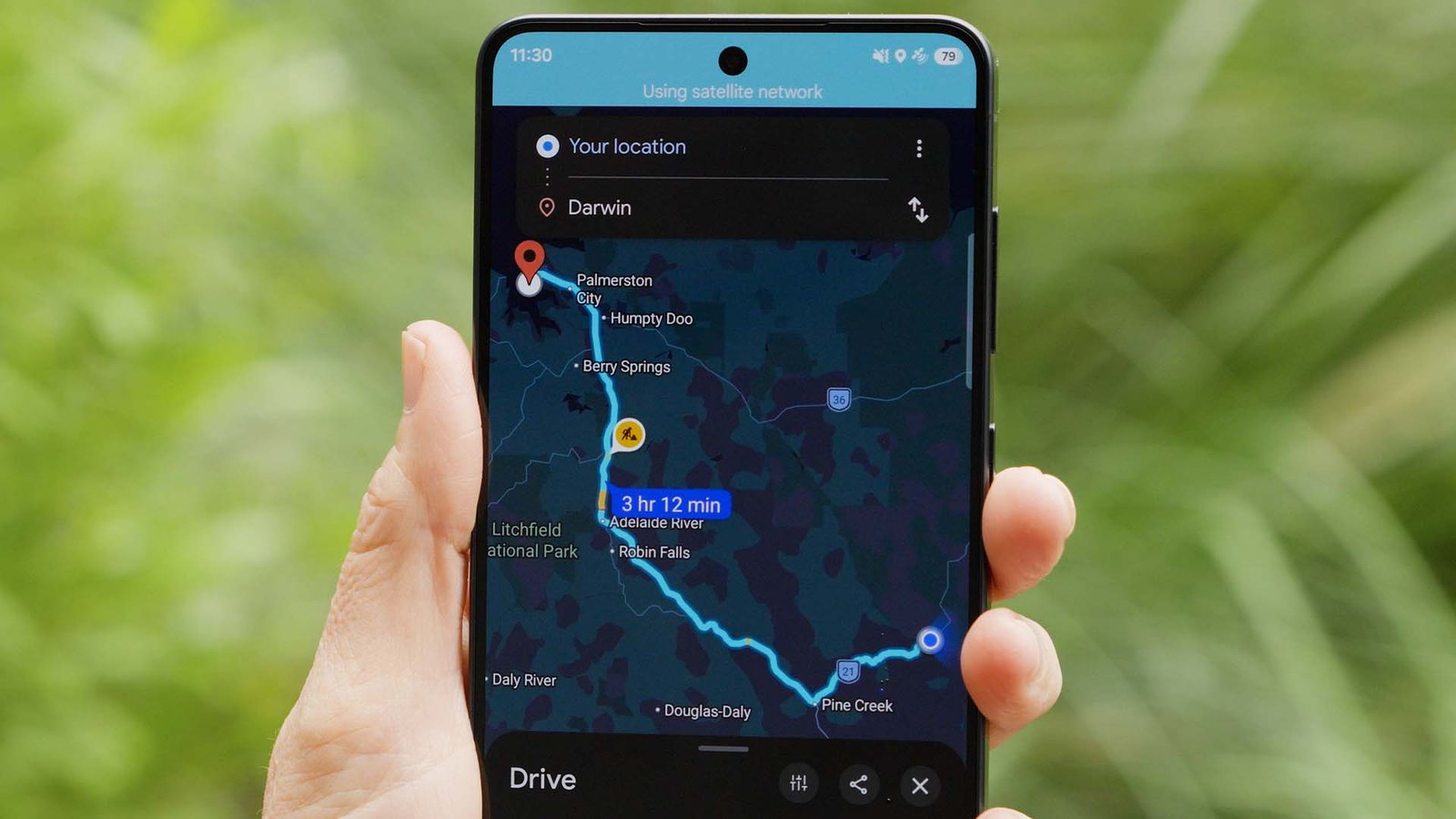
The new feature, known as Select Satellite Apps, works with compatible smartphones connected to Telstra’s satellite service via its partnership with Starlink. Rather than providing full internet access, the service focuses on lightweight applications that remain useful in remote areas, including navigation, weather, messaging and fitness apps. Supported applications include Apple Maps, Google Maps, AllTrails, WhatsApp, Facebook Messenger, Signal, Google Messages, Apple’s Weather app, AccuWeather, Google Weather, Google Fitness and the My Telstra app.
Unlike a traditional 4G or 5G connection, satellite capacity is much more limited. As a result, customers should expect slower performance, with messages, maps and other content potentially taking longer to load. Not every feature within each supported app will necessarily function over satellite, and more demanding activities such as streaming or real-time voice and video calls are not the intended use for the service.
For consumers, one of the biggest advantages is convenience. There’s no separate satellite device to purchase or configure. Compatible phones automatically attempt to connect to a satellite once they move beyond Telstra’s mobile coverage, provided the user is outdoors with a clear view of the sky and has the latest software installed. Users are encouraged to download and update their apps before travelling into remote areas, as new downloads aren’t possible once only the satellite connection is available.
The expanded capability is available to customers on eligible Telstra Upfront Mobile and Telstra Business Mobile plans using supported devices, including the iPhone 13 and newer models, along with the Samsung Galaxy S26 family. Telstra says additional devices will gain compatibility over time.
Telstra also revealed how quickly Australians have adopted satellite connectivity since launching satellite messaging just over a year ago. The company says more than 26 million text messages have now been sent or received using the service, with over 2.9 million compatible users connecting via satellite and more than 200,000 daily satellite connections now occurring on average. Usage peaks during weekends and holiday periods, suggesting many Australians are using the technology while travelling through regional and remote parts of the country.
Telstra has stressed that satellite connectivity is designed to complement, not replace, its terrestrial mobile network. Importantly, it should not be relied upon as an emergency service. While messaging apps such as WhatsApp may function over satellite, they cannot be used to contact Triple Zero, and Telstra’s satellite service itself does not support emergency calling or texting. Travellers heading into remote areas should still plan appropriately, carry suitable safety equipment and ensure others know their travel plans.