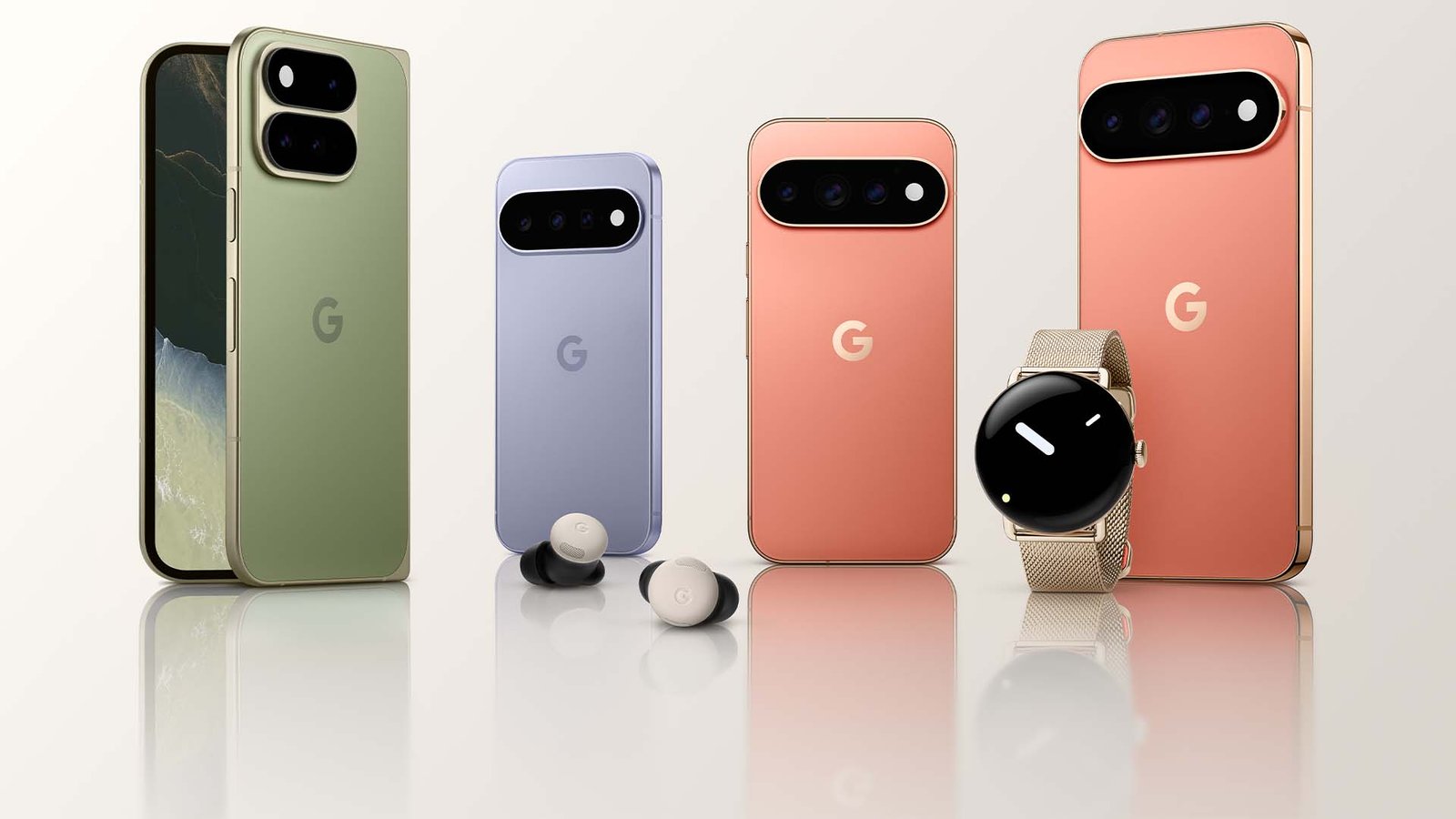


Google is preparing a sizeable Pixel hardware refresh for Australians, spanning four Pixel 11 smartphones; the headline act is the Pixel 11 family, comprising the Pixel 11, Pixel 11 Pro, Pixel 11 Pro XL and Pixel 11 Pro Fold. This is accompanied by the Pixel Watch 5 and a new Pixel Tag tracker.
Across the range, Google is leaning heavily into three themes: Gemini-powered AI, upgraded computational photography and a more cohesive hardware ecosystem.
Tensor G6 brings more AI on device
All four Pixel 11 models are powered by Google’s new Tensor G6 processor. Google claims the chip delivers up to 20 per cent better power efficiency than Tensor G5, alongside 25 per cent faster browsing and 15 per cent faster app loading. Its TPU has 50 per cent more compute, providing additional horsepower for photography and on-device Gemini workloads.
The new Gemini Intelligence system is designed to draw context from compatible apps and proactively surface information and suggested actions. Examples supplied by Google include displaying calendar availability when somebody messages to ask if you’re free, while voice-to-text can remove filler words and automatically format dictated thoughts.
Google is also extending Live Translate to video, podcasts and voice messages in supported languages, while Circle to Search can now be invoked directly through the Pixel Camera. As with many AI features, availability varies by country, language and age, and some functionality may require a subscription.
Australians buying and activating a Pixel 11 Pro, Pro XL or Pro Fold can also be eligible for six months of Google AI Pro. Google values the offer at A$197.94; after the trial, the listed recurring Australian price is A$32.99 per month unless cancelled.
Cameras push zoom and AI-assisted capture
Photography remains one of Google’s major differentiators. A new Magic Capture mode can capture video and high-quality still images from the same moment, automatically cropping and unblurring shots for sharing.
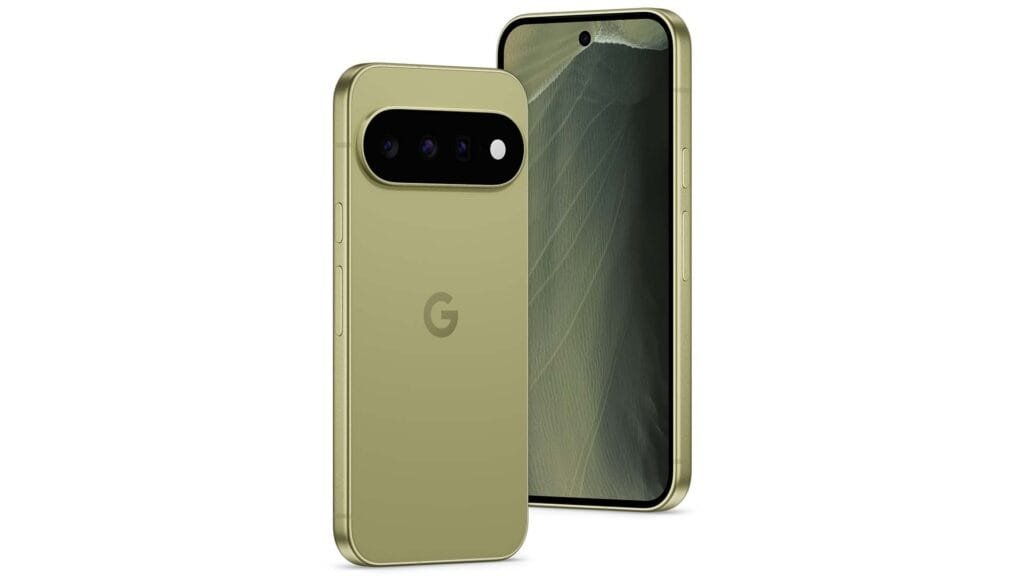
The Pro models step up to as much as 120x Pro Zoom, while the regular Pixel 11 and Pro Fold offer 30x Super Zoom. Google says the redesigned Pro telephoto sensor gathers 32 per cent more light than its predecessor, while Instant Night Sight can capture low-light images up to 4.5 times faster. Pro Stable Video with Video Boost can also record at up to 8K.
The regular Pixel 11 gets a 48-megapixel main camera with a larger sensor that Google claims provides 56 per cent better light sensitivity, along with 30x Super Zoom.
Google is also introducing Camera Looks, allowing users to develop their own stylised photographic looks while retaining the company’s Real Tone approach to rendering different skin tones.
Pixelsnap finally makes magnetic accessories part of the package
One of the most practically significant changes is Pixelsnap, Google’s magnetic charging and accessory system.
All four Pixel 11 phones support Qi2.2-certified Pixelsnap wireless charging at up to 25W, depending on charger and conditions. That brings the Pixel hardware ecosystem closer to the snap-on charger, stand and accessory experience iPhone owners have had through MagSafe.
Battery claims are 30-plus hours for the Pixel 11, Pro and Pro XL and 24-plus hours for the Pro Fold. Wired charging can take the Pro XL to as much as 75 per cent in about 30 minutes, while Google quotes 55 per cent for the Pixel 11 and Pro and 50 per cent for the Fold.
Storage also starts at a much healthier 256GB across the Pixel 11 range, with higher-capacity models using Zoned UFS storage.
The Pixel 11 Pro Fold gets thinner and tougher
The Pixel 11 Pro Fold is about 1mm thinner and almost 10 per cent lighter than its predecessor, according to Google, while being claimed to be three times stronger. It combines a 6.5-inch outer display with an 8-inch Super Actua Flex inner display, with both screens 20 per cent brighter than the previous generation.
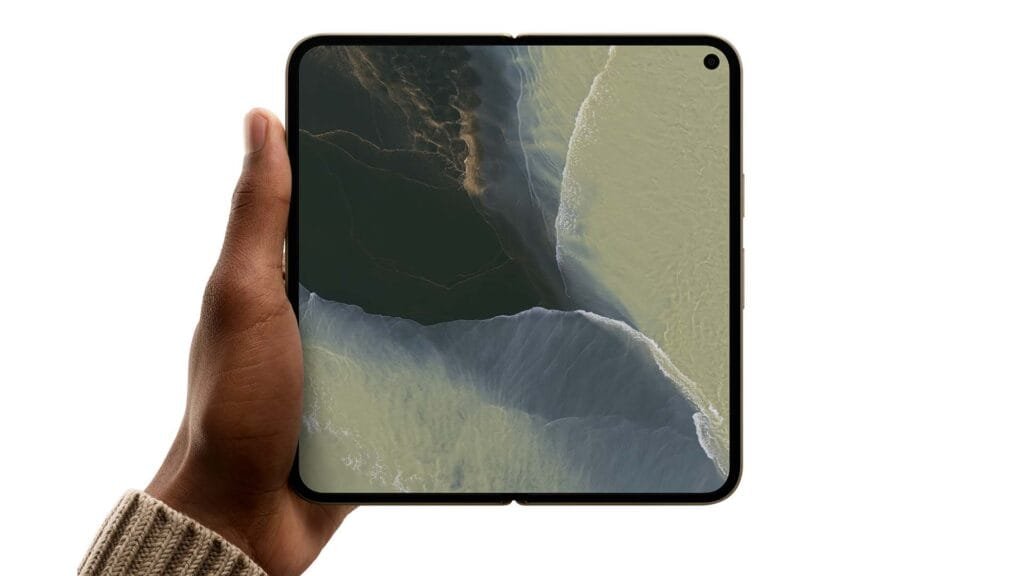
It also carries 16GB of RAM and a new 48MP main camera that Google says captures 56 per cent more light. Fold-specific camera tricks include Dual Screen Preview, Rear Camera Selfie and Made You Look, which displays animations on the outer screen to encourage children to look towards the camera.
All four Pixel 11 models have IP68 dust and water-resistance ratings, although Google stresses that this resistance isn’t permanent and the devices aren’t waterproof. Another notable Australian feature is Satellite SOS. Google’s specifications list the trial service as available in Australia, with service included at no additional charge for the first two years after device activation, subject to restrictions and coverage conditions.
Pixel Watch 5 puts more emphasis on health
The Pixel Watch 5 arrives in 41mm and 45mm sizes with both getting an Actua 360 AMOLED LTPO display capable of reaching 3,000 nits, with the 45mm model weighing 36.7g without its band and the 41mm coming in at 31g. Inside is Qualcomm’s Snapdragon W5 Gen 2 Accelerated platform running Wear OS 7, accompanied by 64GB of storage, Bluetooth 6.0, UWB, dual-frequency GPS and Satellite SOS communication.
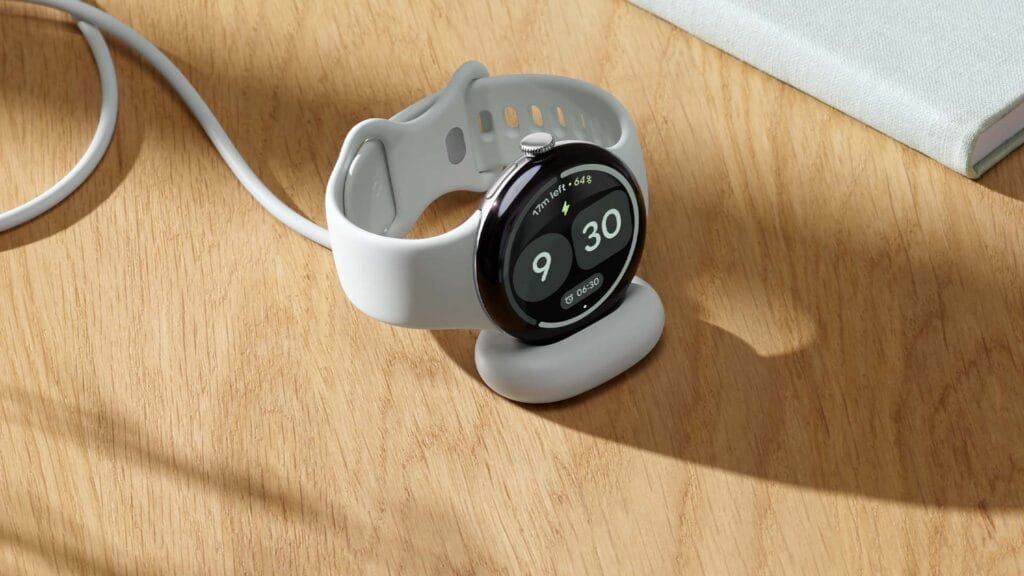
Battery life differs by size: Google rates the 41mm model at up to 30 hours and the 45mm at up to 40 hours. The 45mm can stretch to as much as 72 hours in Battery Saver mode, and its Quick Charge Dock can reach roughly 50 per cent in 15 minutes and 80 per cent in 30 minutes under Google’s test conditions.
The bigger story, though, is health. Google says the Watch 5 will be able to track blood pressure patterns and insulin resistance trends, with both features planned for September 2026. The company explicitly says the insulin-resistance feature isn’t intended to diagnose diabetes, monitor glucose in real time or guide medication or insulin changes.
Fitness tracking expands to more than 50 exercises, while users will be able to build strength and HIIT routines with reps, weights and intervals and sync them to the watch. Sleep features include Sleep Breathing Quality, sleep stages, a Sleep Score, Smart Wake Alarms and a revamped Morning Brief.
Gemini is woven into the watch as well, including wrist-raised queries, contextual suggestions and information such as flight updates.
Pixel Tag takes on Bluetooth trackers
Rounding out Google’s new Australian hardware is the Pixel Tag, priced at A$49 individually or A$169 for a four-pack.
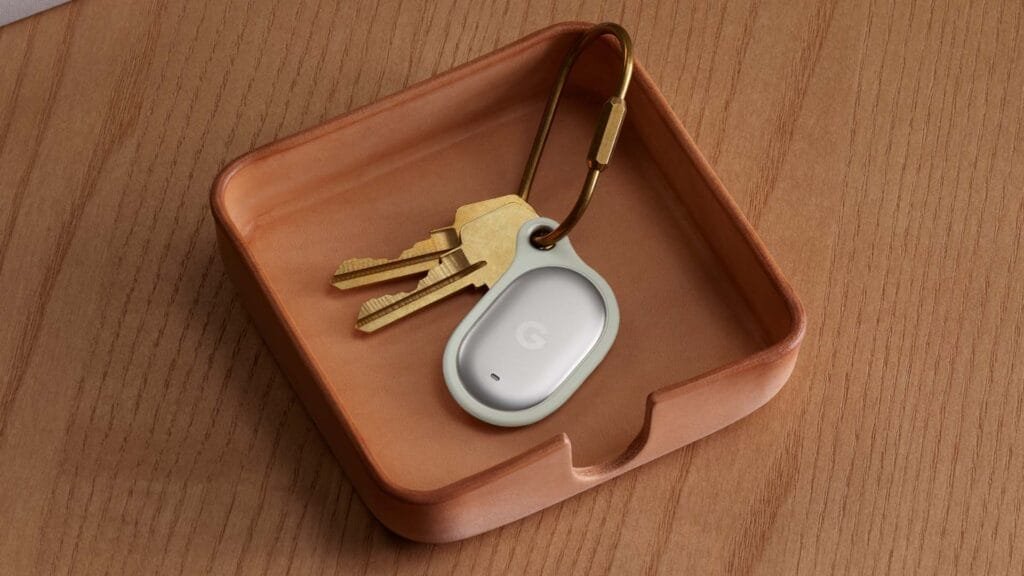
The compact tracker measures 28 x 46.1 x 5.4mm and weighs 11.8g with its battery. It combines Bluetooth Channel Sounding with Ultra Wideband Precision Finding and carries an IP67 dust and water-resistance rating.
Importantly, Google has opted for a user-replaceable CR2032 coin-cell battery, with a claimed battery life of more than a year. It works broadly with Android 9 or later, although some advanced finding capabilities require newer hardware and software; UWB Precision Finding requires a compatible UWB Android device and is specified to work at distances of up to 50 metres from the paired device.
Pricing and Availability
The full starting-price picture is therefore A$1,499 for Pixel 11, A$1,849 for Pixel 11 Pro, A$2,099 for Pixel 11 Pro XL and A$2,799 for Pixel 11 Pro Fold. Pixel Watch 5 starts at A$649, while Pixel Tag starts at A$49.
Conclusion
Taken together, Google’s 2026 Pixel push looks less like a collection of individual device upgrades and more like an attempt to build a tightly connected Android hardware ecosystem. Tensor G6 and Gemini Intelligence provide the software thread, Pixelsnap addresses a longstanding accessory gap, Pixel Watch 5 pushes further into health and fitness, and Pixel Tag gives Android users another first-party option for keeping tabs on their belongings.
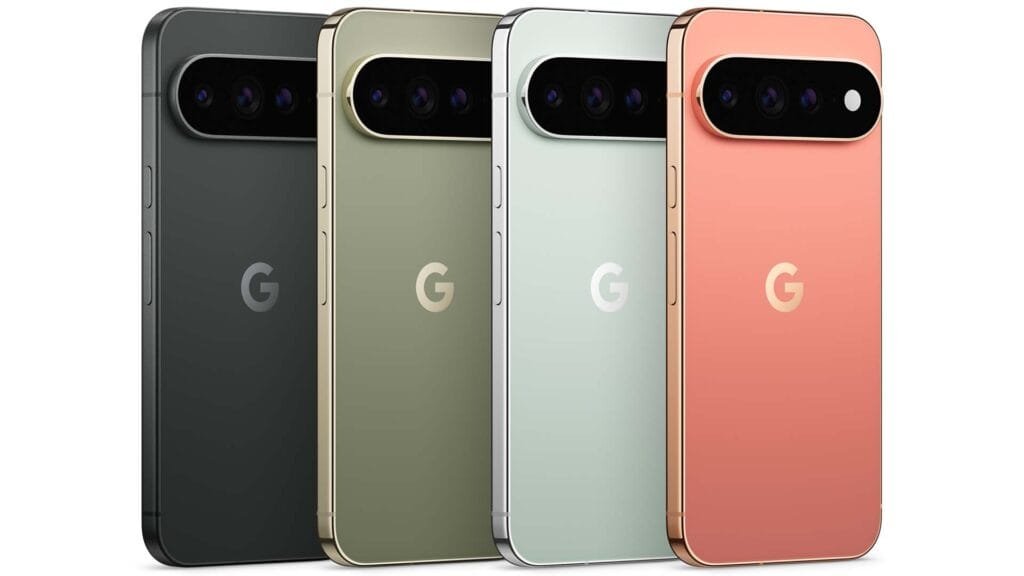
In Australia, the phones carry premium prices. Google’s AI and camera features must prove the upgrade beyond the spec sheet.