The conflict in the Middle East has led to a rush on Electric Vehicles in Australia and around the world. Soaring fuel prices and concerns about the availability of petrol and especially diesel have driven motorists into EV showrooms in numbers we’ve never seen before.
But EVs come in many types, and picking the wrong technology for your situation could lead to instant buyer’s remorse. I’ve driven dozens of EV variants over the last four years in big cities and in remote areas. All of that experience has taught me the real-world limitations of electric vehicles. Get the wrong tech, and you could be charging way more often than you want or can afford.
TYPES OF EV TECHNOLOGY AVAILABLE
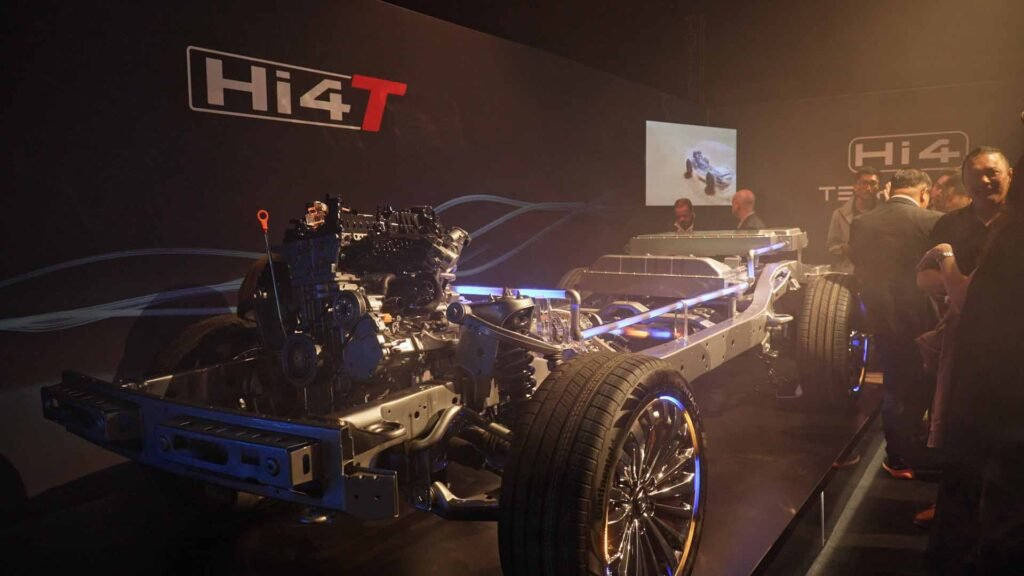
For first-time EV buyers, it’s important to assess your driving needs before choosing a vehicle. These are the main types to select from. If you’ve only ever been a driver of ICE (Internal Combustion Engine) vehicles, then some of the following tech might be confusing. I recommend watching as many car reviews as possible to get an idea of the tech involved.
1. Hybrid (HEV) – “Self-Charging”
These are the most common and don’t require a plug. They use a small battery that recharges via regenerative braking and the petrol engine.
- How it works: Primarily petrol-driven, but the electric motor assists during takeoff and low-speed crawling.
- Best for: City commuters who can’t charge at home.
- Popular Models: Toyota RAV4 Hybrid, Toyota Corolla, Hyundai Kona Hybrid.
2. Super Hybrid / Ultra Hybrid (PHEV+)
“Super Hybrid” is a marketing term used by brands like MG and Chery to describe their latest generation of Plug-in Hybrids (PHEVs).
- How it works: They have much larger batteries than older PHEVs (often 18kWh to 30kWh) and powerful electric motors. They can drive 80km–100km+ on electricity alone before the petrol engine kicks in.
- The “Super” part: They often feature “dedicated hybrid transmissions” (DHT) and can achieve a total combined range of over 1,000km.
- Popular Models: MG HS Super Hybrid, Chery Tiggo 7/8 Super Hybrid, BYD Sealion 6.
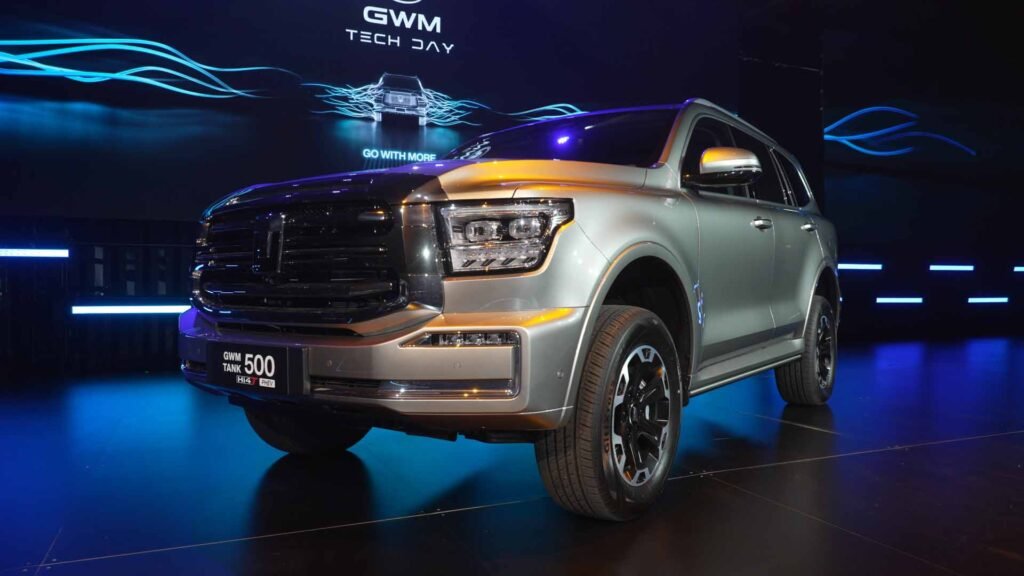
3. Plug-in Hybrid (PHEV)
The middle ground between petrol and full electric.
- How it works: You plug it in to charge a medium-sized battery. Once the electric range (usually 40km–60km) is exhausted, it reverts to acting like a standard hybrid.
- Best for: People who want to drive to work on electric power but need petrol for long weekend trips.
- Popular Models: Mitsubishi Outlander PHEV, Mazda CX-60 PHEV.
4. Battery Electric Vehicle (BEV) – “Full EV”
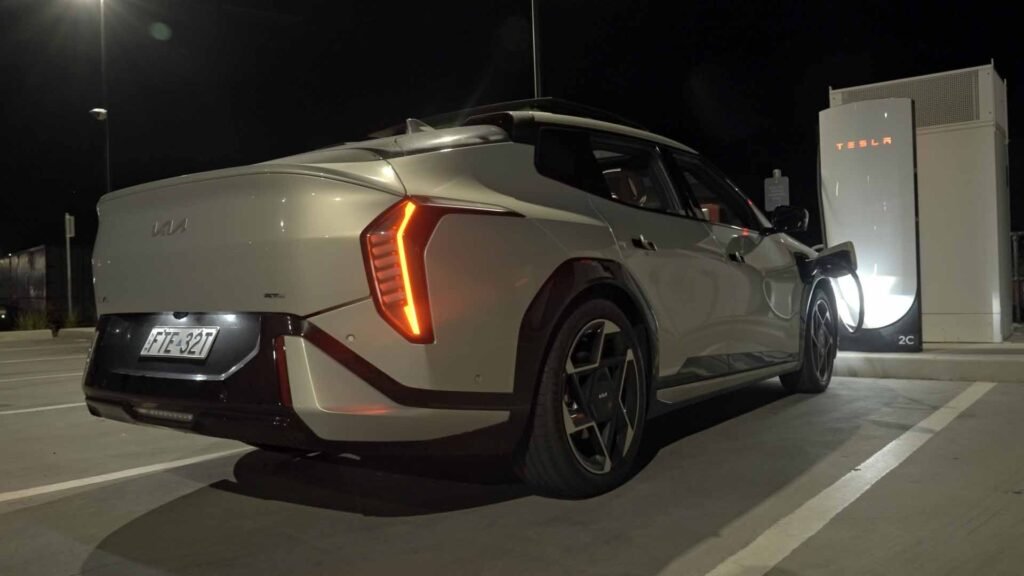
These have no petrol engine at all and run entirely on electricity stored in a large battery pack.
- How it works: Zero tailpipe emissions. You charge at home or at public fast-chargers.
- Current Tech: Modern BEVs in Australia now offer ranges from 340km (budget) to 800km (premium).
- Popular Models: Tesla Model 3/Y, BYD Atto 3, MG4, Kia EV3/EV6/EV9.
5. Range-Extender / REEV
A newer category in Australia, often marketed under names like “e-POWER” (Nissan) or “REEV” (Leapmotor).
- How it works: The wheels are driven exclusively by electric motors, providing that instant EV feel. However, there is a small petrol engine on board that acts strictly as a generator to charge the battery while you drive. You don’t plug these in (unless it’s a “Plug-in REEV” like the Leapmotor C10).
- Popular Models: Nissan X-Trail e-POWER, Leapmotor C10 REEV.
WHAT TO CONSIDER BEFORE BUYING
There are several things to consider before buying an EV. This will help determine which technology listed above is appropriate for your situation. Given that people are trying to avoid paying for fuel at the moment, let’s start with pure EVs, or BEVs.
Range
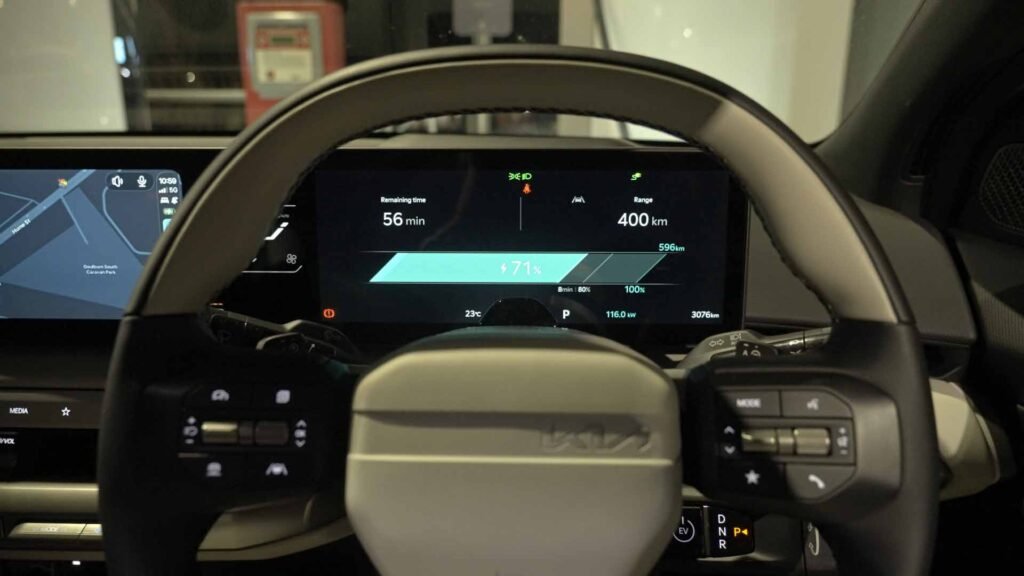
If you live in the city with a short commute and only do occasional country driving, then a vehicle with a range around the 400km mark is fine.
If your daily drive more like 200kms or more a day, then you should be looking at a vehicle with a WLTP range of 600km plus. WLTP means Worldwide Harmonised Light Vehicles Test Procedure, a standard for range testing. In the real world, you’ll never achieve this range, so take 50-100km off depending on your driving style and conditions.
Generally, you’ll be charging between 20-80% to avoid extra long wait times. It’s very rare to recharge to 100% as the last 20% is very slow.
For example, I live in Goulburn, which is around 200km from the centre of Sydney. A KIA EV5 with a range just under 400km is absolutely points for me, but an EV3 with a range of almost 600km is perfect. I can do a return trip without the need for recharging. Superb!
Since 600km plus EVs have entered the market in bigger numbers, I feel more comfortable about electric vehicles. Cars with that sort of endurance all but eliminate “range anxiety” for me. So if you can afford it, go for extended range over performance. Even the crappiest EV still goes like a rocket thanks to the insane power of electric motors.
Home Charger
Public chargers will give you fast DC power to enable a quick top-up, but they can be expensive. Before the war, the cost of using a public charger wasn’t massively cheaper than filling up with petrol. Plus, they can get very busy, especially on Sundays.
So it would pay to install a Single Phase 7kW charger at home. This will give you 50km of driving range for each hour of charging. The trickle charger that plugs into a normal wall outlet is essentially a waste of time, but it’s usually included if you’re desperate.
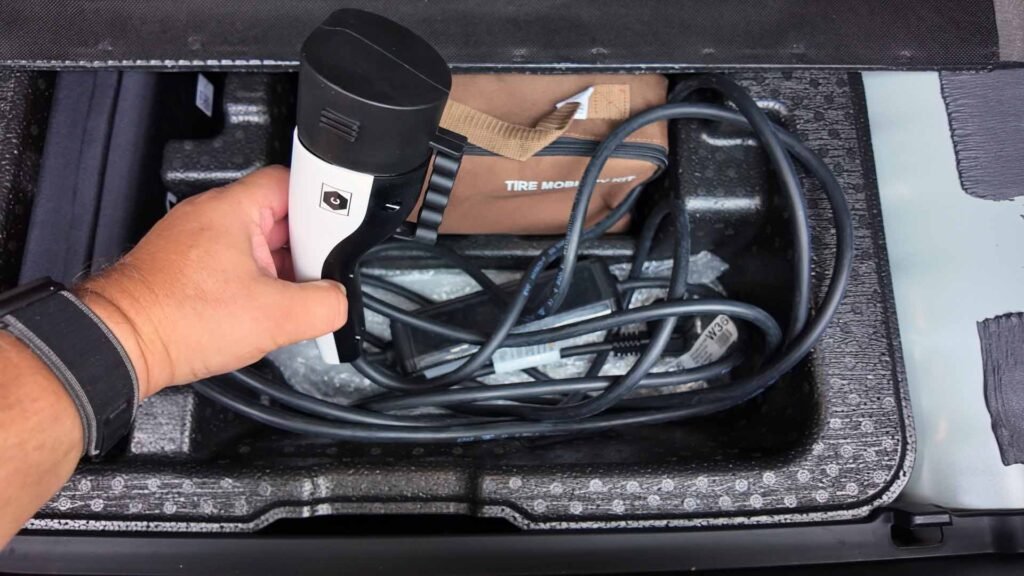
This type of home setup is fantastic for PHEVs or Plug-in Hybrids. If you are prepared to stick with petrol but use a helluva lot less of it, then a PHEV is definitely your best option, especially if your daily commute is less than 100km. When driving on extended trips, you’ll get fuel economy of around 5L/100km and a range of 1200km.
Reputation

EVs come to Australia from all over the world, but the best value is from China. GWM has been here for 17 years, and it has some of the most impressive cars I’ve ever driven. You can only build reputation over time, so while some of the new entries have great promise, only time will tell if they are reliable. One of the world’s hottest brands, BYD, is expanding its local service network in Australia, and that gives motorists great comfort.
CONCLUSION
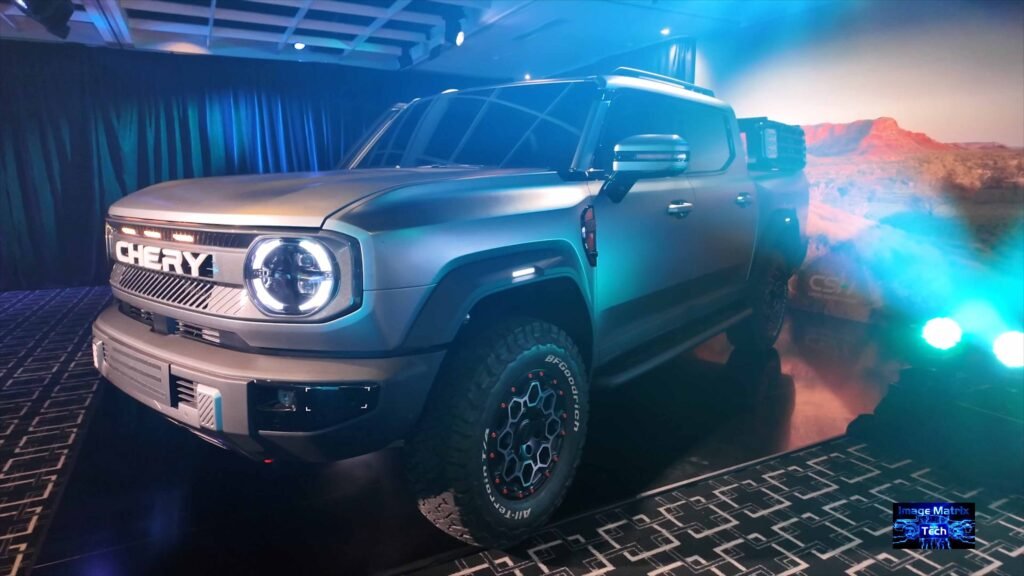
As you can see, there are many things to consider before buying an EV. So, although you might be tempted to purchase the first model that becomes available, take a moment to consider everything we’ve discussed in this article because the secondhand EV market is one to avoid.